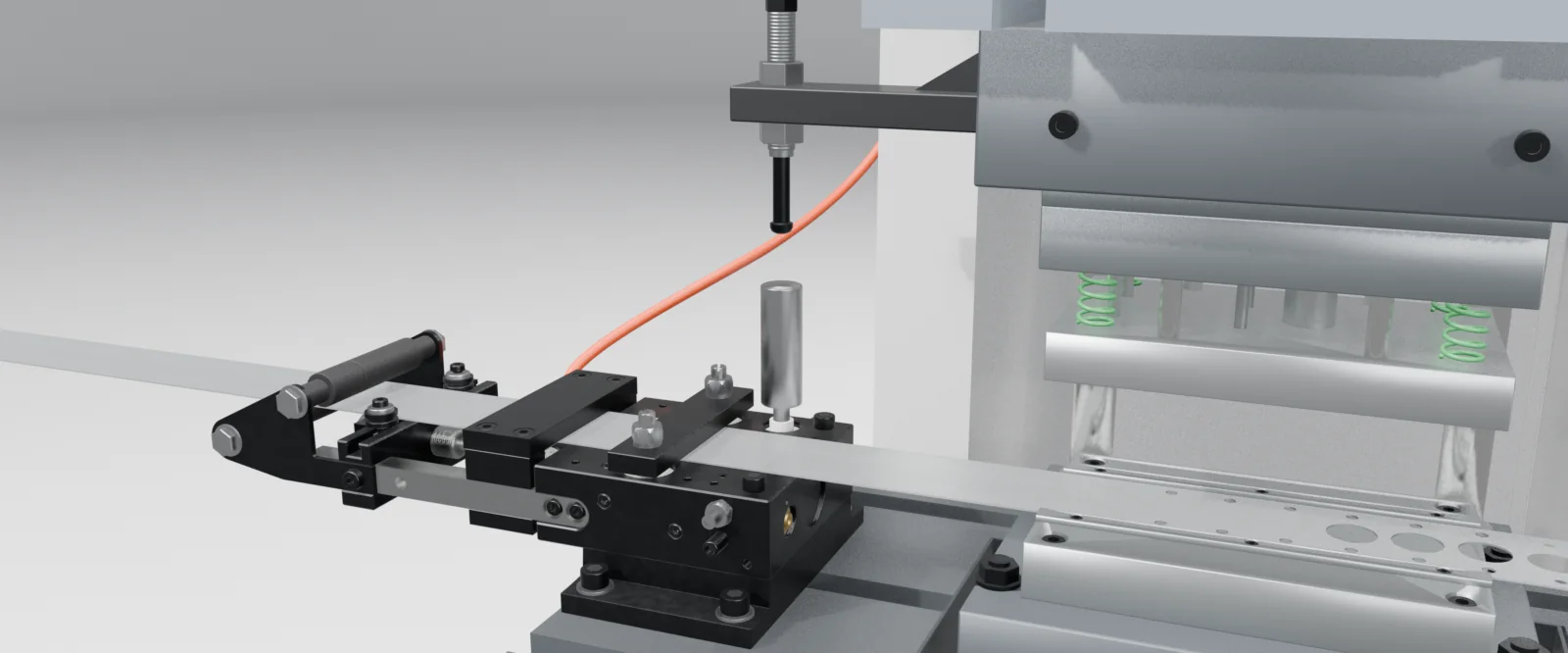
3D view of an AF air feeder mounted on a punch press, feeding metal strip into the die

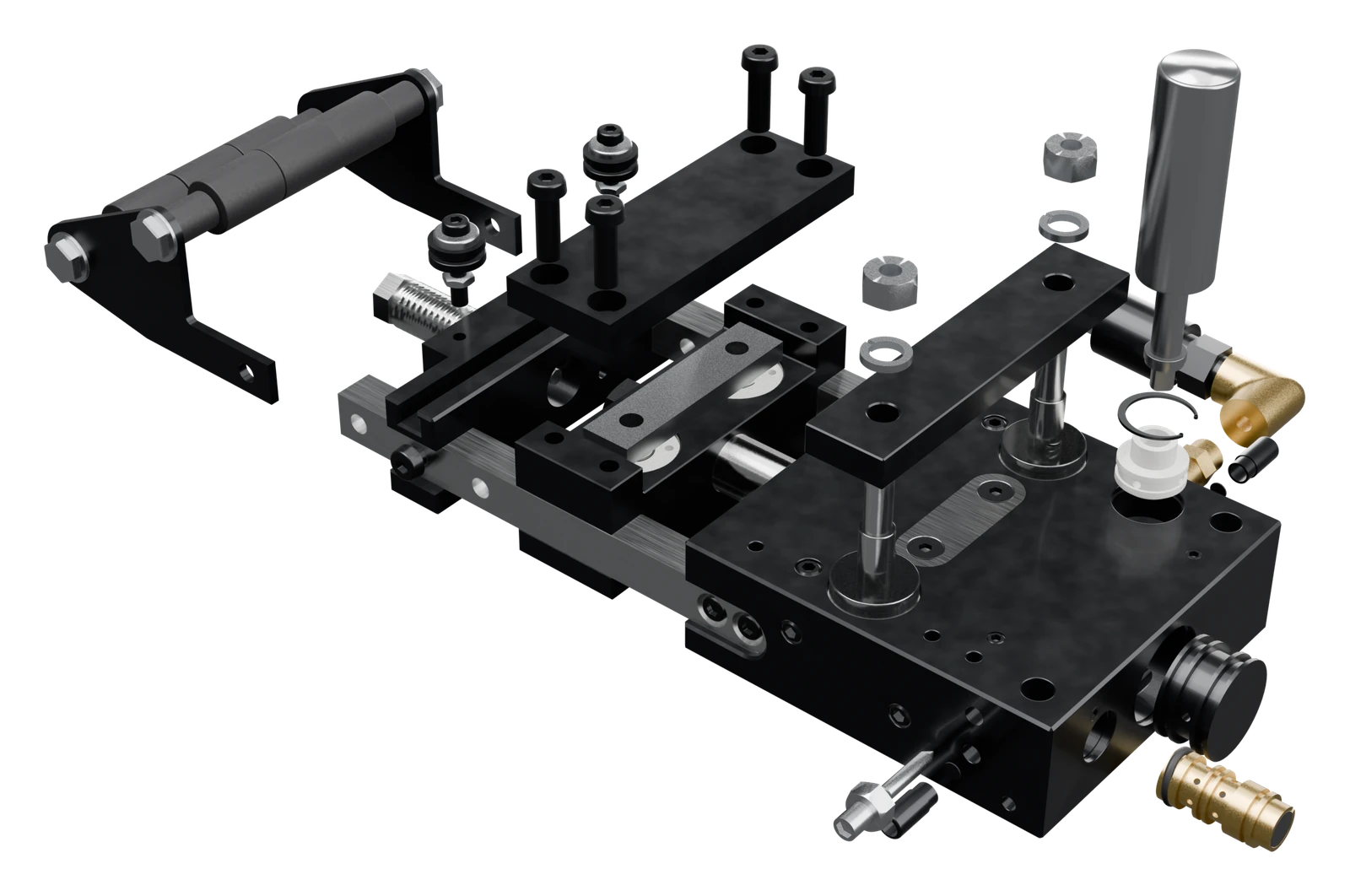
The air feeder, part by part.

One fixed pitch for every press stroke, on compressed air alone.

The machine, opened.

Select a pin on the model or a name in the list to see what that part does.
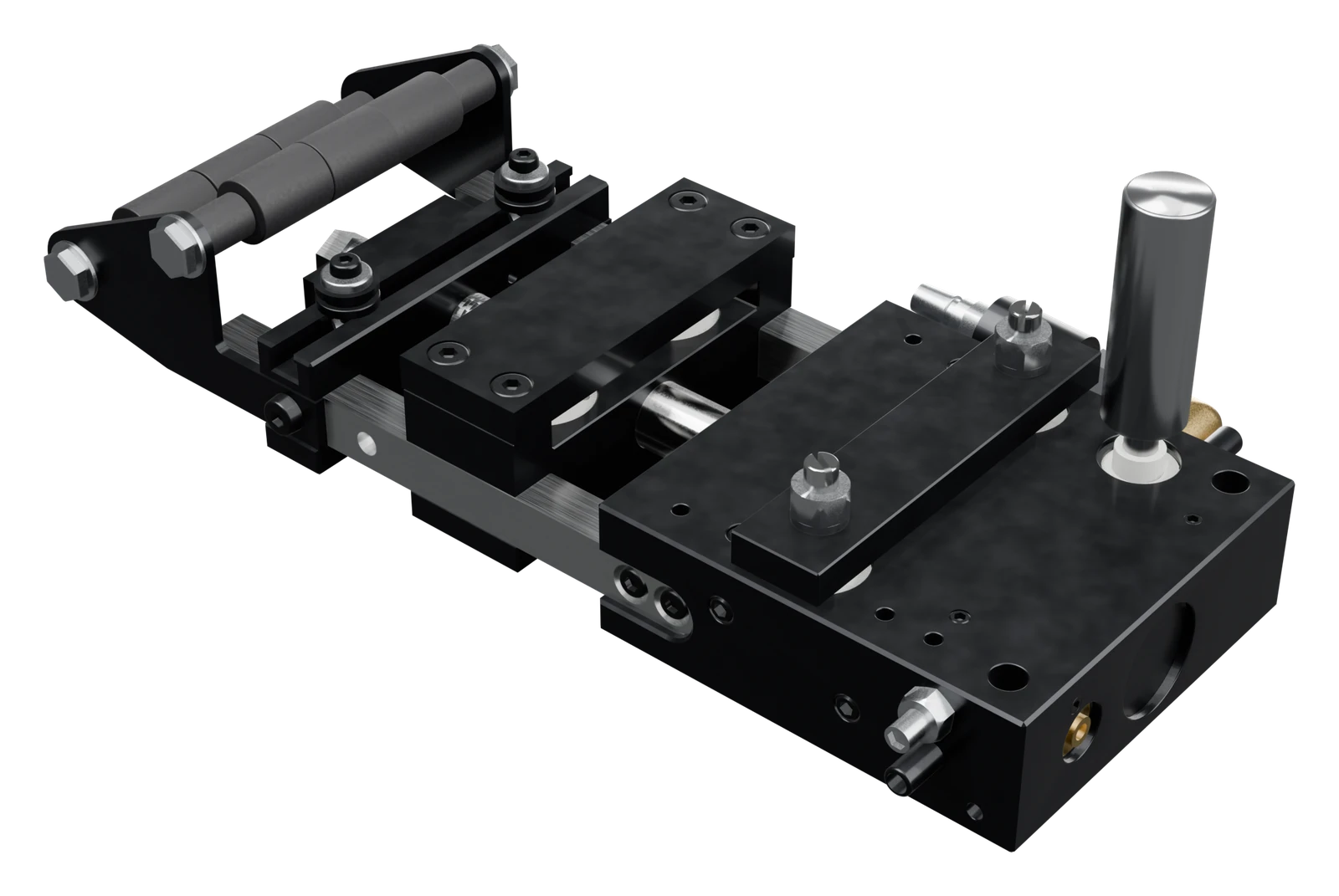
Standard type, front view

3D model of the standard air feeder, three-quarter front view
Standard type, front view
Exploded 3D view of the standard air feeder with every part pulled apart
Standard type, exploded, same camera
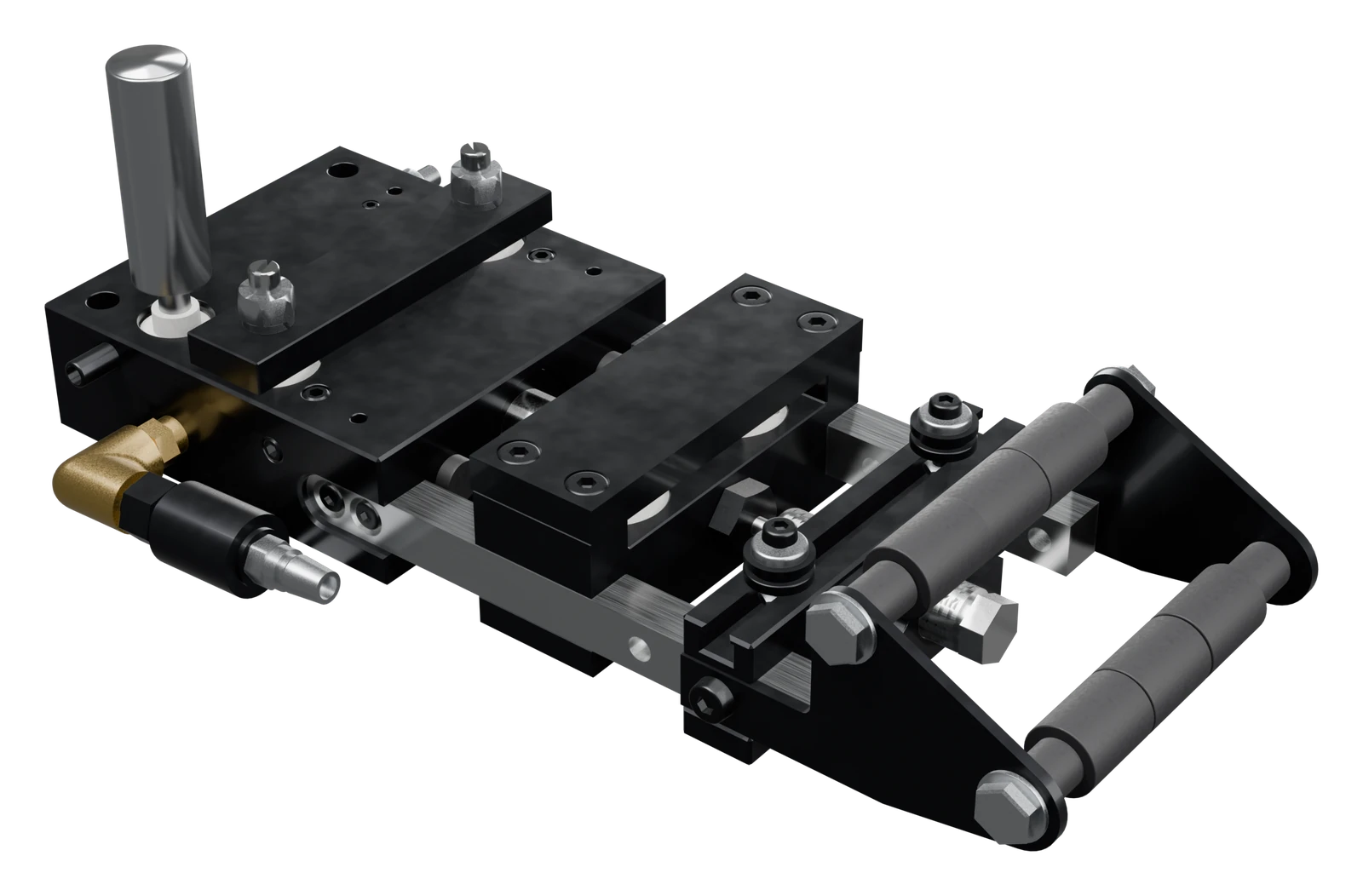
3D model of the standard air feeder seen from the rear
Standard type, rear view
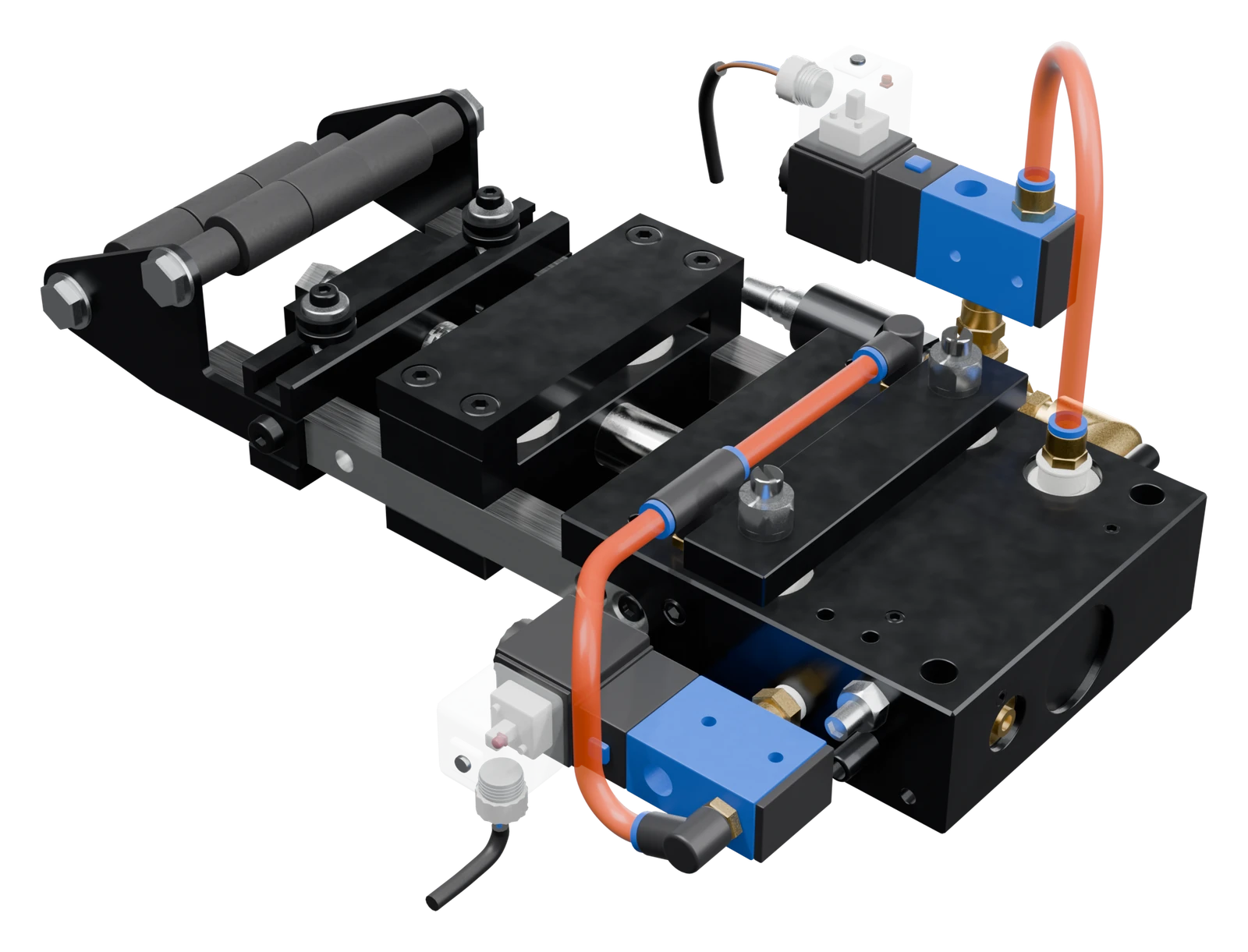
3D model of the E+R air feeder with both valves and no trigger rod
E+R type, both valves, no trigger rod

4Moving clamp

Grips the strip and carries it forward by one feed length.

  1. Fixed valve block. The feed cylinder and the changeover valve are inside.

  2. Upper clamp bar on the main body. Holds the strip while the moving clamp returns.

  3. Two pistons with lock nuts. They pull the fixed clamp bar down.

  4. Grips the strip and carries it forward by one feed length.

  5. Piston rod of the feed cylinder. Drives the moving clamp.

  6. Two ground rods. The moving clamp slides on them.

  7. Sets where the moving clamp stops on its return. That distance is the feed length.

  8. Cross block that carries the feed length screw and the guide rods.

  9. Throttles the exhaust air to set the feed speed.

  10. Exhaust outlet of the main body.

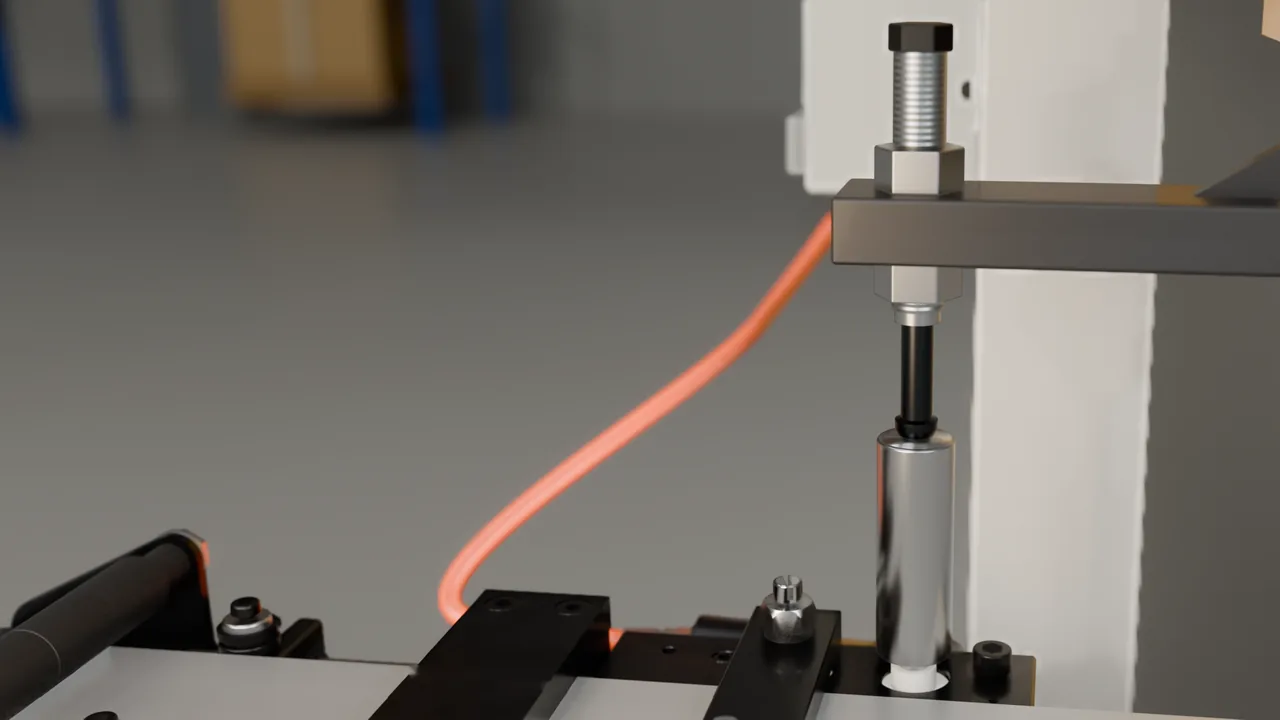
  11. Pressed by the striker on the press slide. Switches the feeder between return and feed.

  12. Connection for the compressed air supply.

  13. Inlet rollers that support the strip. They only guide it.

  14. Adjustable side wheels that keep the strip on line.

  15. Side plates that carry the inlet rollers.

  16. 24 V DC valve that replaces the trigger rod. The signal comes from the press.

  17. 24 V DC valve that opens the fixed clamp so the pilot pins of the die can position the strip.

A part not doing its job? Find the fault by symptom.

Four ways to time the feed.

One short film for each control type, so you can see the difference before you choose.

3D still: a striker on the press slide above the trigger rod of an air feeder

Standard (mechanical)

Timed by
Striker on the press slide
Wiring
None
Trigger rod
Yes

45 s film. Open on YouTube

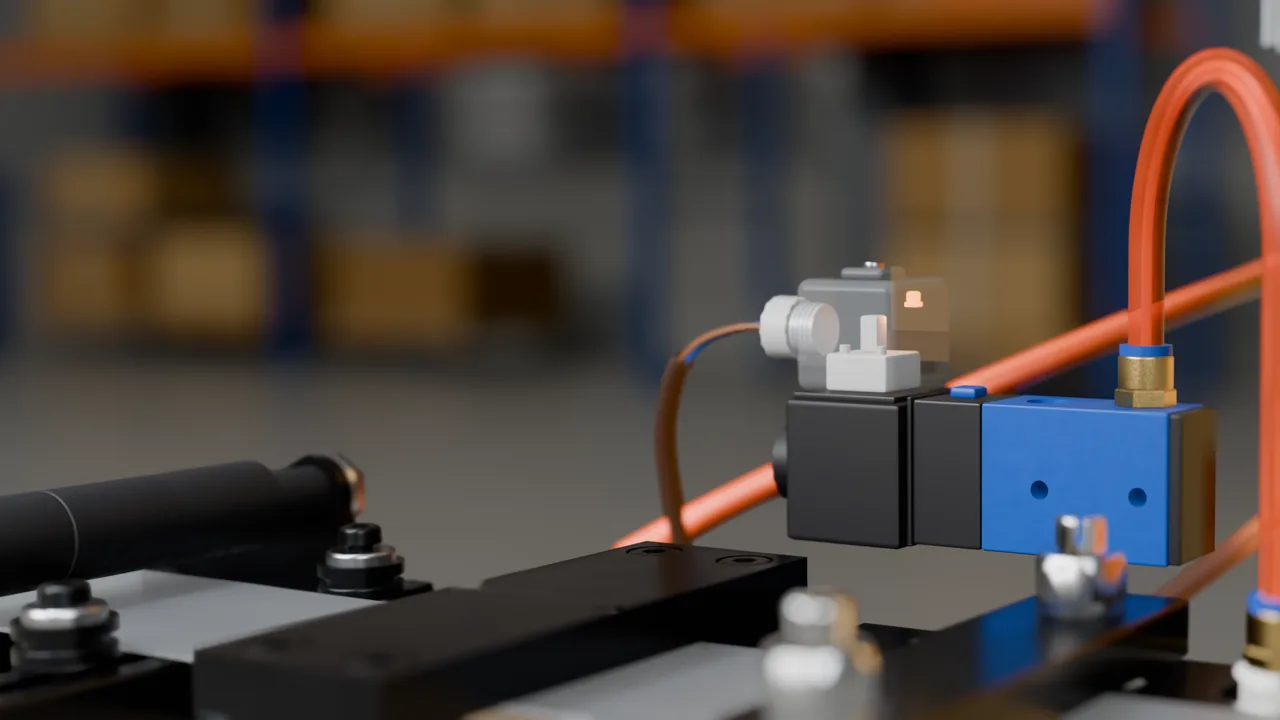
3D still: the E solenoid valve with its coil and air tube on an air feeder

E type

Timed by
Cam and limit switch
Wiring
24 V DC
Trigger rod
No, the valve replaces it

45 s film. Open on YouTube

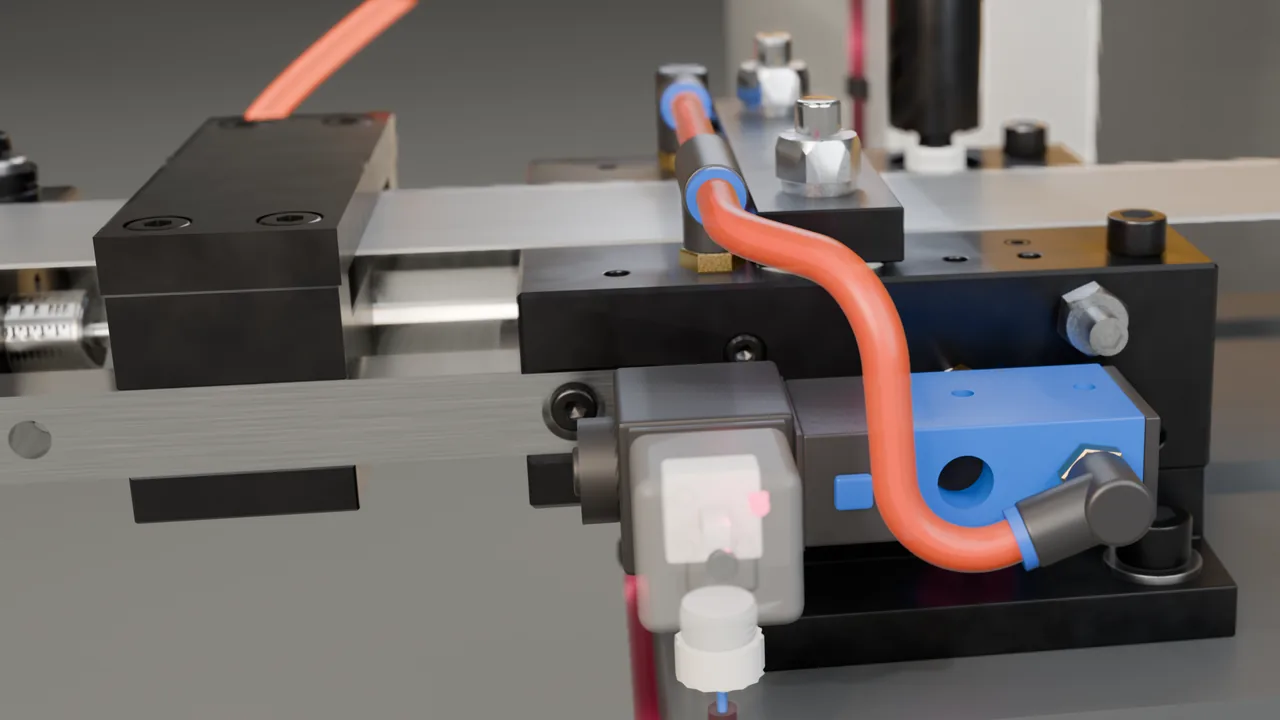
3D still: the R release valve piped to the fixed clamp of an air feeder

R type

Timed by
Striker, plus a switch for the release
Wiring
24 V DC
Trigger rod
Yes, it stays

30 s film. Open on YouTube

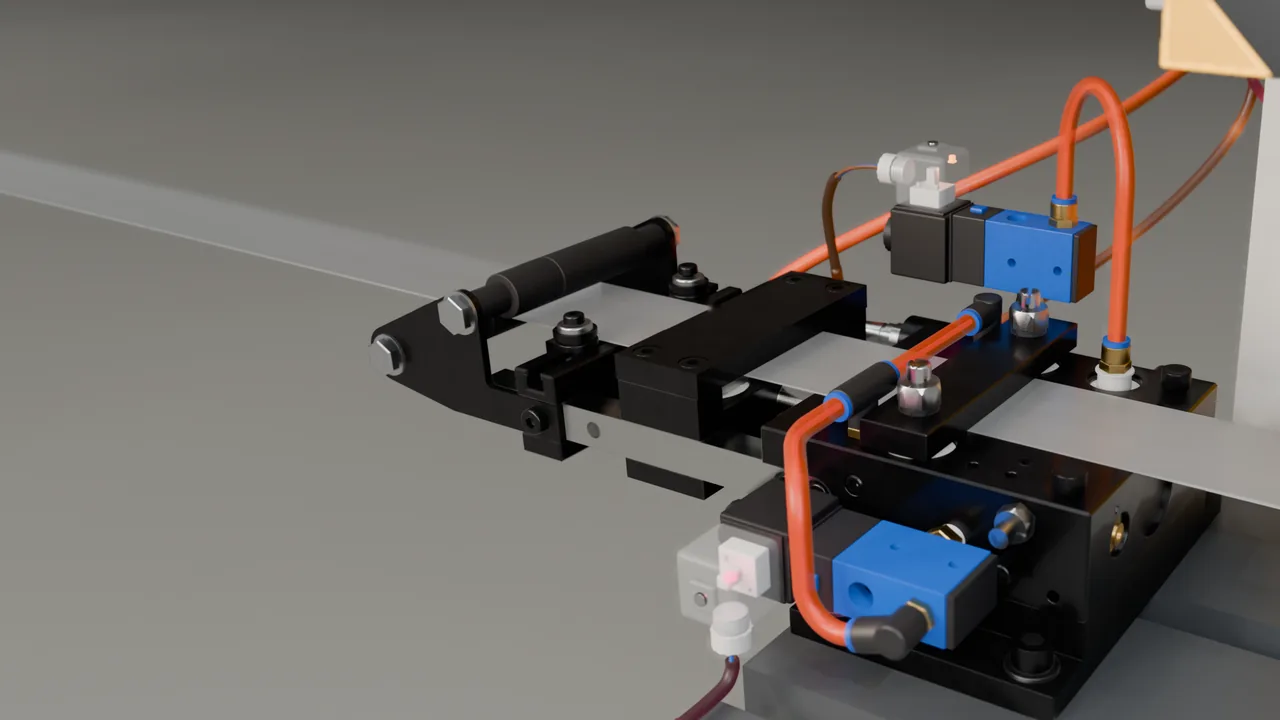
3D still: an air feeder with both the E valve and the R valve fitted

E+R

Timed by
Two cams, two switches
Wiring
24 V DC, two circuits
Trigger rod
No

45 s film. Open on YouTube

Nine models, AF-1C to AF-10C.

Enter your strip. The finder marks the smallest model that covers it, and the control type that fits your press and die.

Model finder

Loaded with an example: motor lamination strip. Type your own numbers.

Can the press slide trigger the feeder mechanically?

Does the die have pilot pins?
ModelMax width mmMax feed length mmMax thickness mmMax speed strokes/minAir use L/minTraction kg
AF-1C50500.520026.514
AF-2C65800.816038.516.5
AF-3C80801.21504719.5
AF-4C1001301.59358.625.5
AF-5C1501502.080109.541
AF-6C2002002.060108.541
AF-7C2502502.54815267
AF-8C3003002.540162.574
AF-10C4004003.030182.585

Slide the table sideways to see every column.

  • Rated air pressure is 4.5 kg/cm² for all models.
  • Speed is the maximum at the listed capacity. A long pitch on a fast press needs checking with us.
  • AF-8C and AF-10C: floor stand, solenoid valve and air tank are standard.

Two questions pick the control.

Can the press slide trigger the feeder mechanically? Does the die have pilot pins?

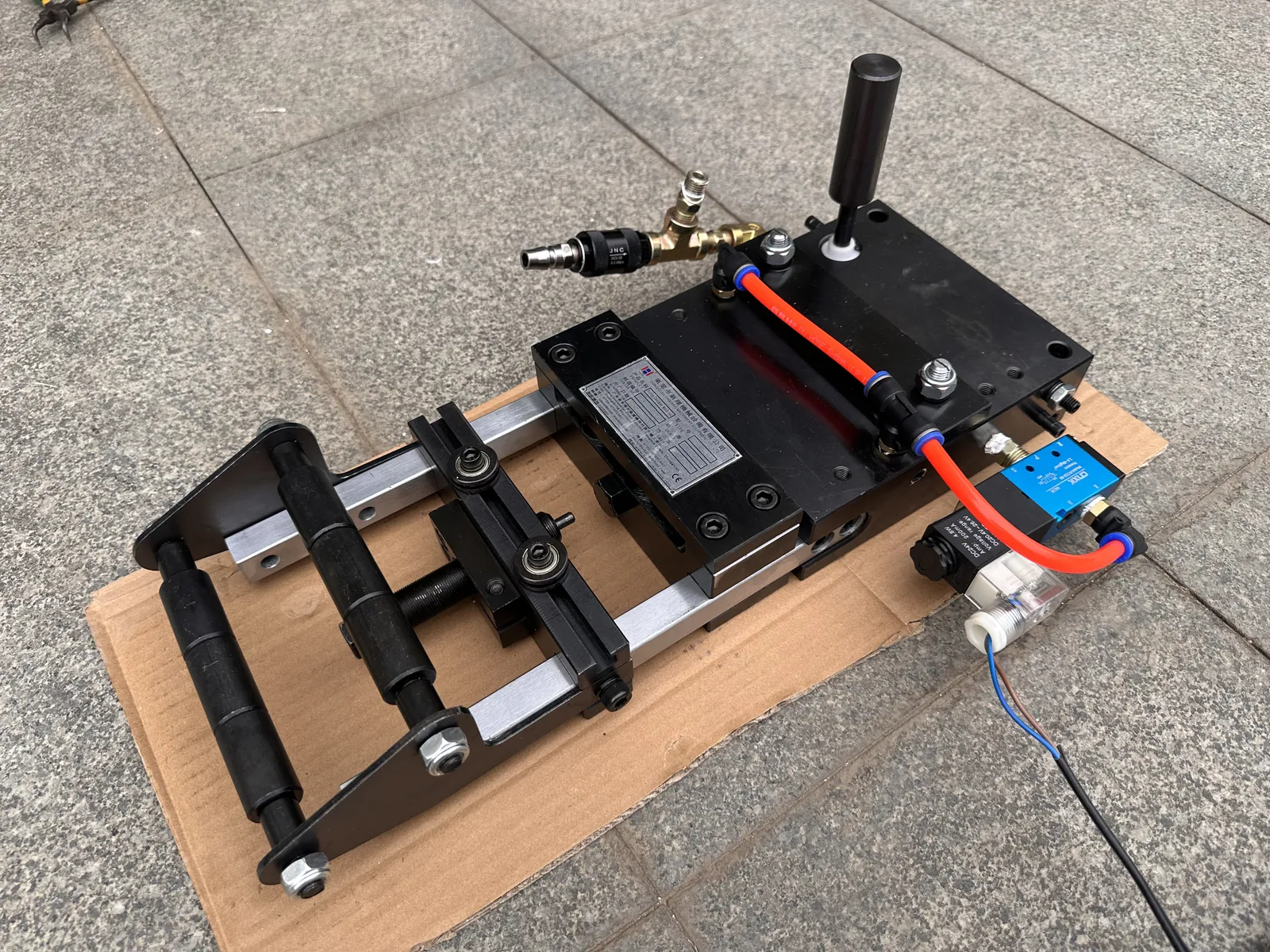
Photo of a standard mechanical air feeder with its trigger rod standing up from the body

Standard (mechanical) your finder result

Trigger rod pressed by a striker on the press slide. Air only, no wiring.
Choose it when
Fixed pitch, simple dies, old presses, tight budgets.
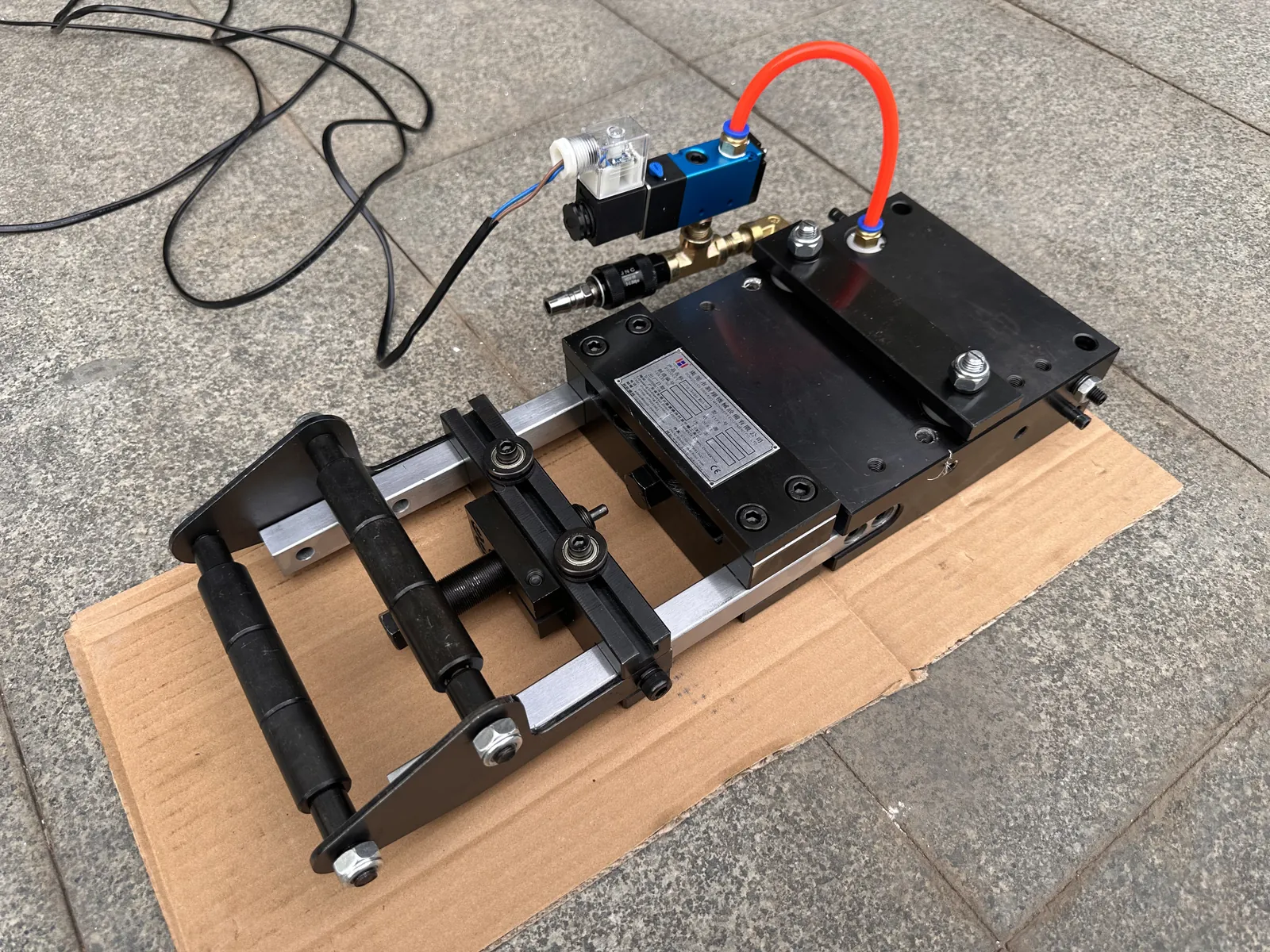
Photo of an E type air feeder: one solenoid valve on the air inlet and a trigger handle on top

E type your finder result

A 24 V DC solenoid valve replaces the trigger rod. A cam and limit switch on the press give the signal.
Choose it when
The press stroke is too short or too long for mechanical triggering, or the feed is long.
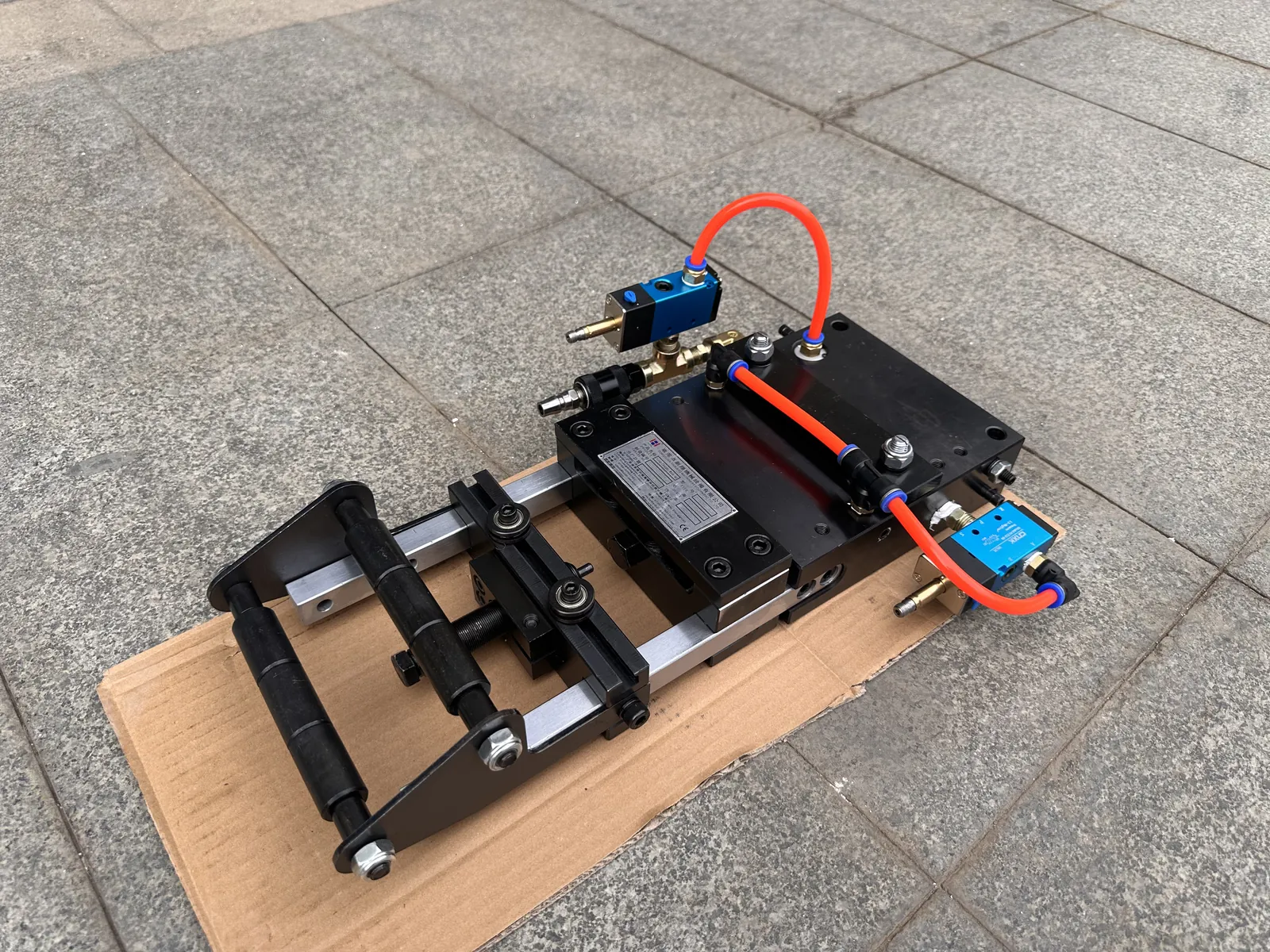
Photo of an R type air feeder: a release solenoid valve piped to the fixed clamp

R type your finder result

A 24 V DC valve that opens only the fixed clamp as the pilot pins enter. The trigger rod stays and the pitch does not change.
Choose it when
Progressive dies with pilot pins. Drawing work where the strip must not be held.
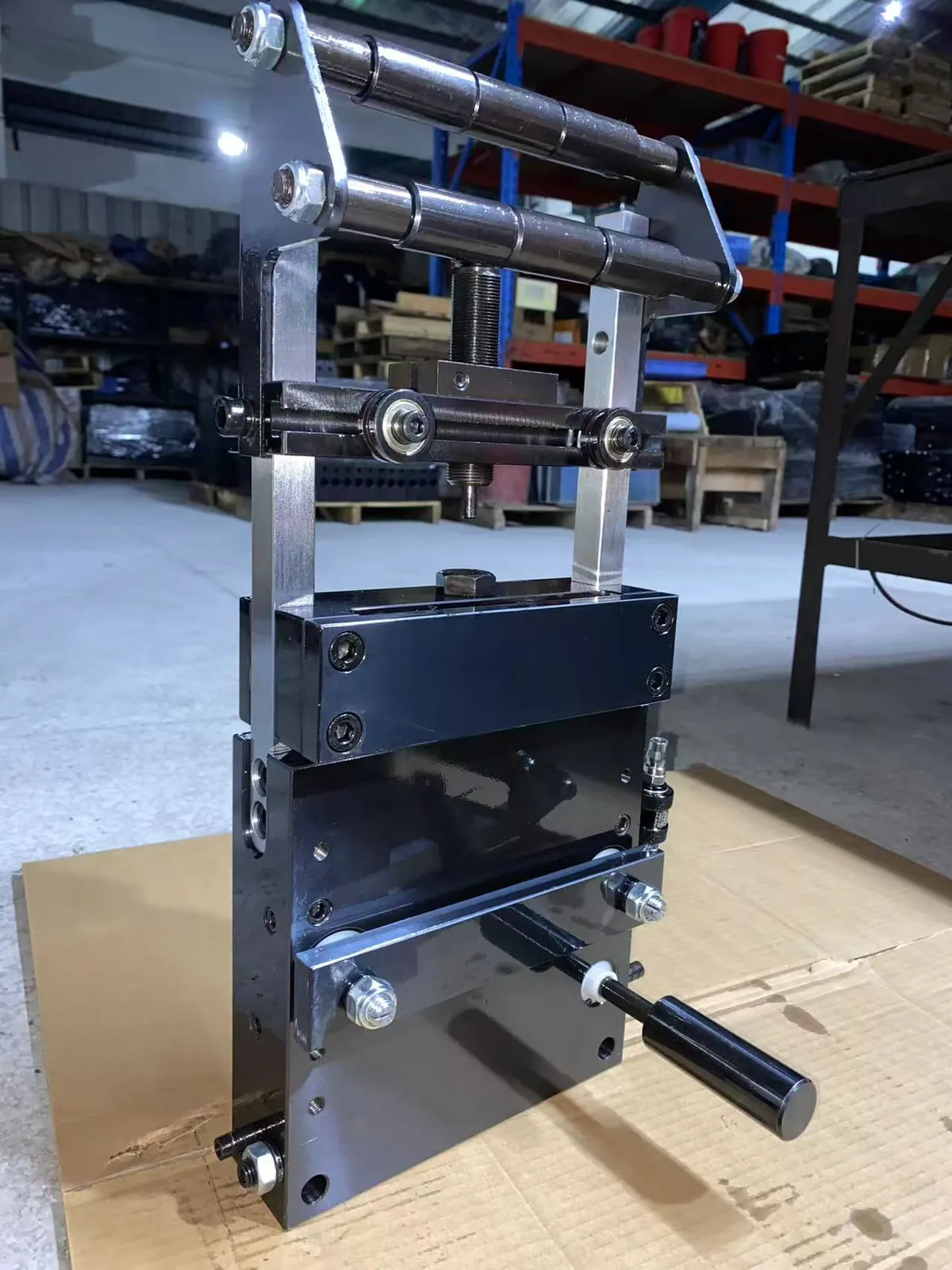
Photo of an E+R air feeder with two solenoid valves and no trigger rod

E+R your finder result

Both valves, each with its own cam and switch. No trigger rod.
Choose it when
Pilot-pin dies on presses that also need electrical feed timing.
Standard mechanical air feeder standing upright in the workshop
Standard, upright
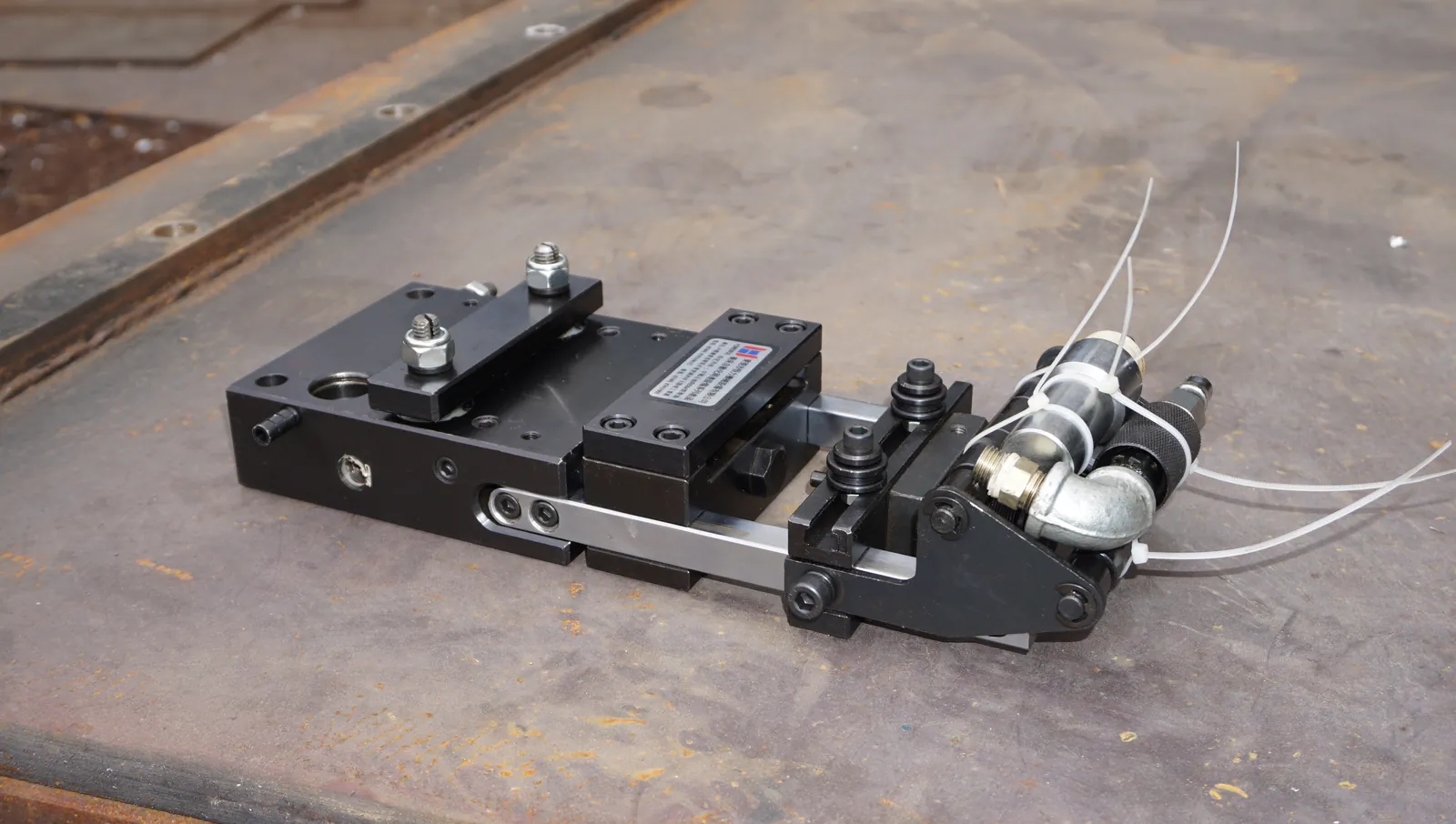
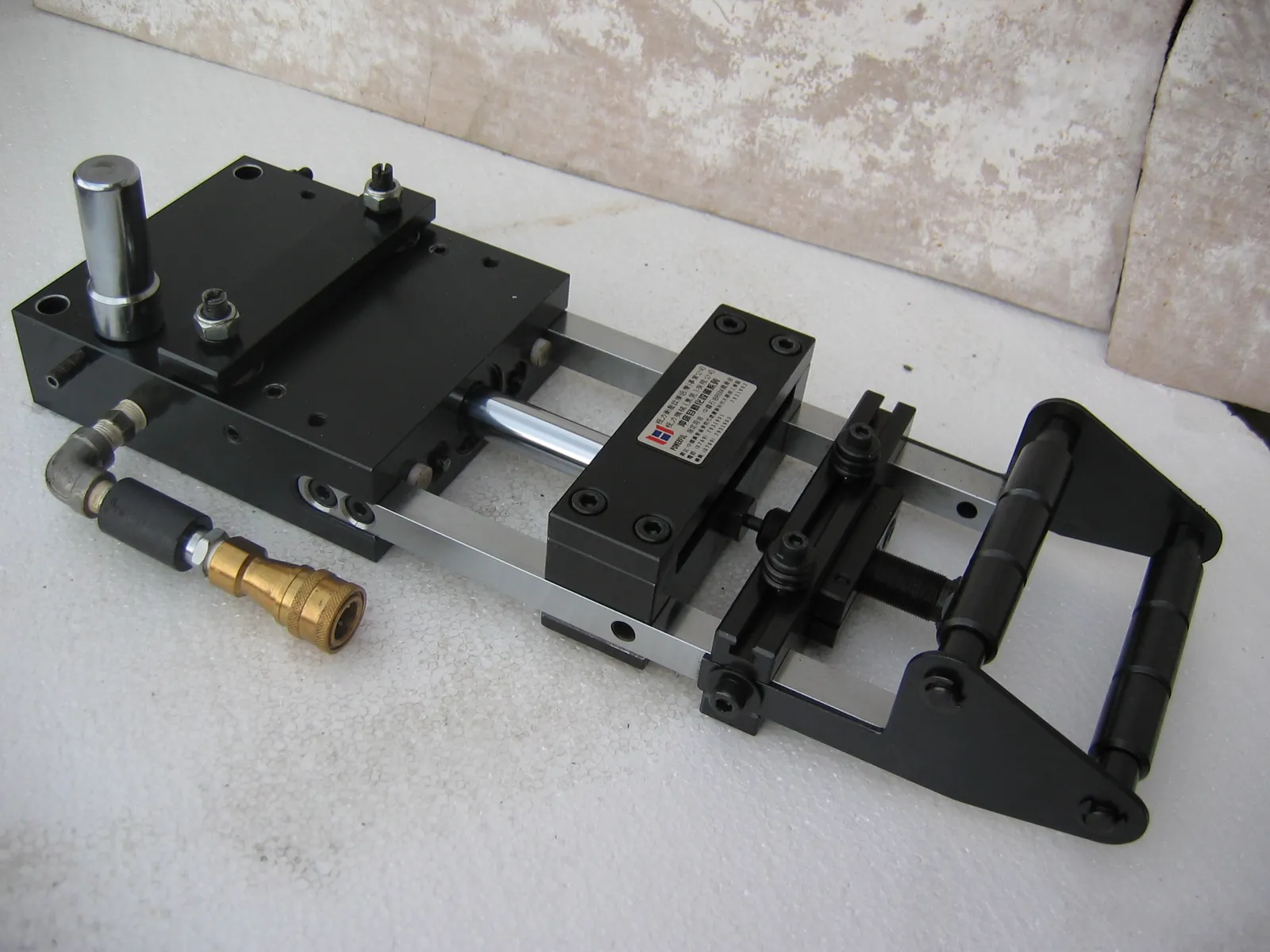
A small mechanical air feeder lying on a steel table
Standard, small model
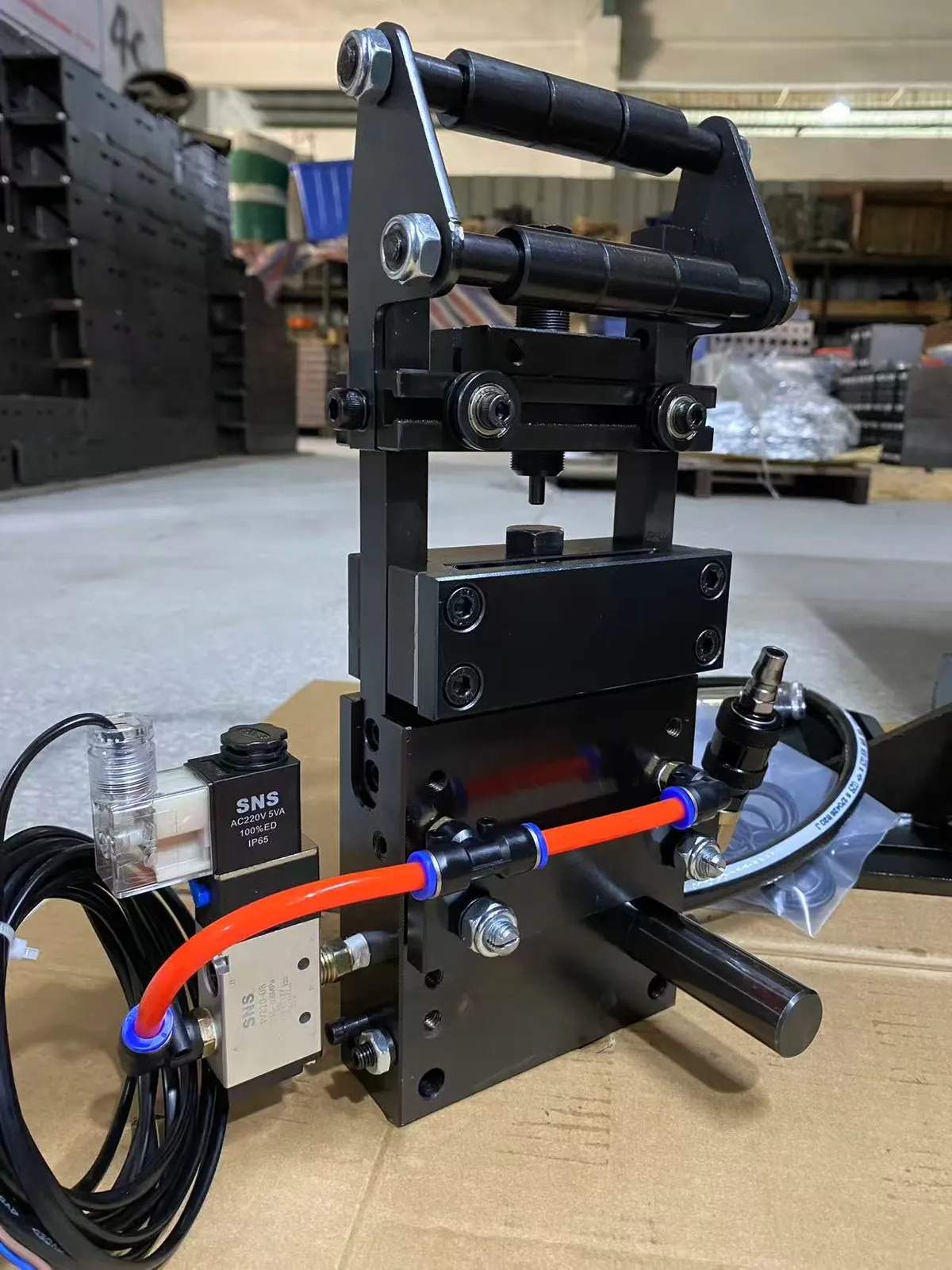
E type air feeder standing upright with its solenoid valve and cable
E type, upright
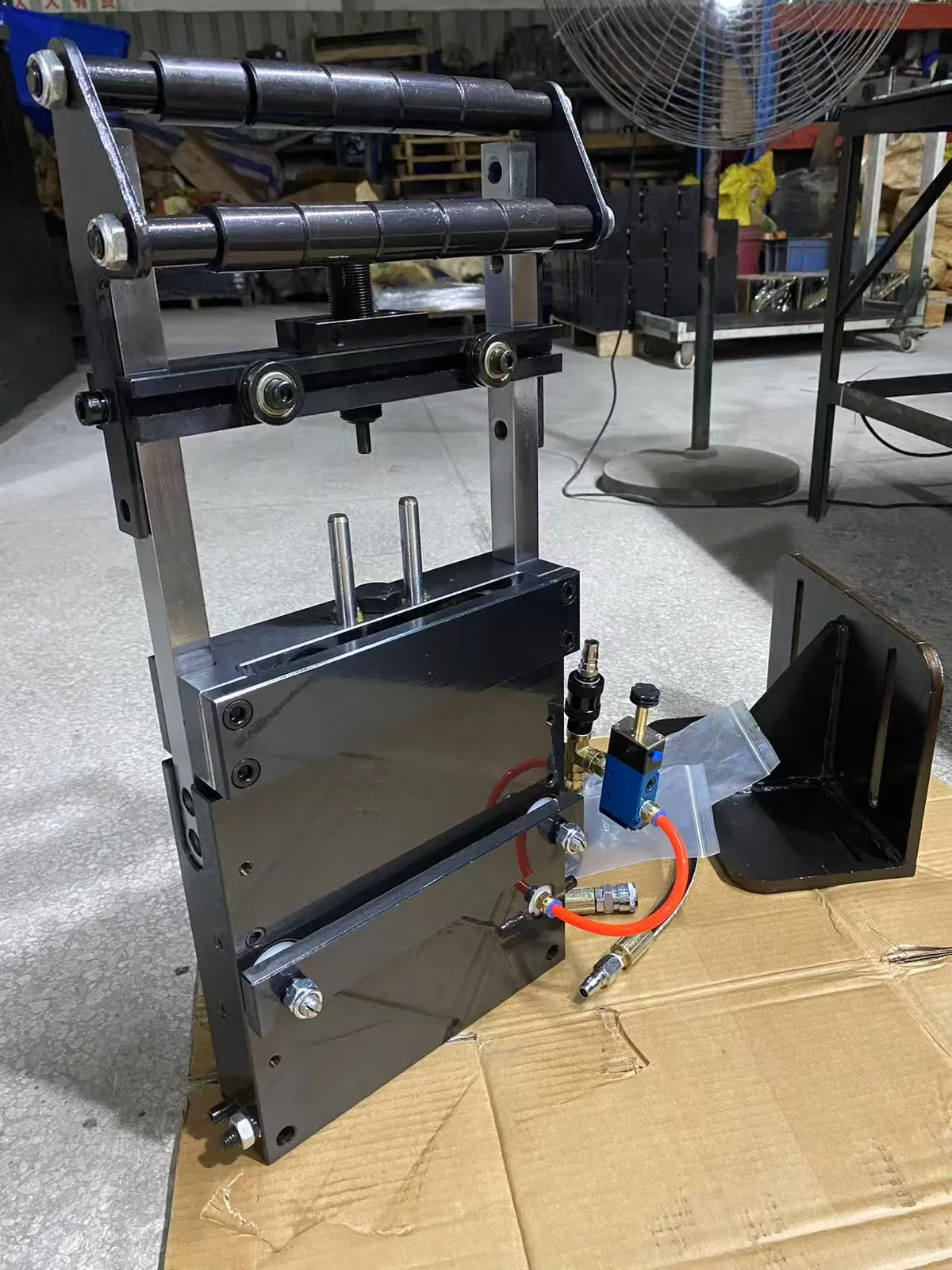
R type air feeder standing upright with its release valve and mounting bracket
R type, upright
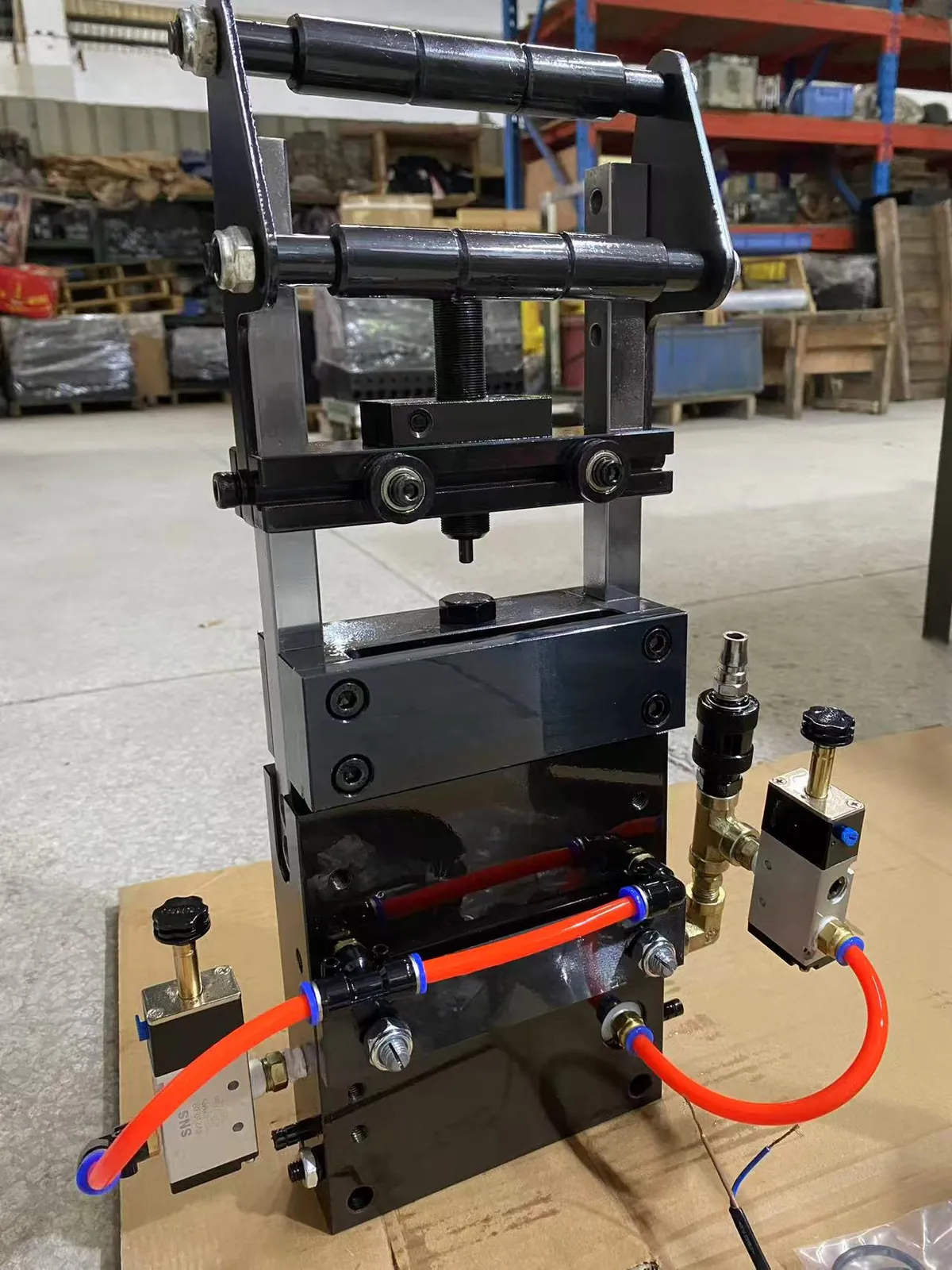
E+R air feeder standing upright with both solenoid valves
E+R, upright

Standard and optional.

What every feeder has, what the two largest models add, and what you can order with it.

With every feeder

  • Mechanical control: a trigger rod on the feeder
  • Striker set for the press slide
  • Mounting bracket, bolts and washers
  • Quick coupling for the air hose
  • Spare seal rings
  • Feed length adjusting screw and speed control screw
  • Inlet guide rollers and strip width guide wheels
  • Tested under air before it leaves the factory
  • 2-year warranty

Added on AF-8C and AF-10C

  • Floor stand
  • Solenoid valve
  • Air storage tank

If your line does not need them, we agree the configuration with you.

Options

  • E type: solenoid valve for the feed signal, with coil and cable
  • R type: release valve for dies with pilot pins, with coil and cable
  • E+R: both valves
  • External air tank on the smaller models
  • Heavy-duty build for thicker material
  • Custom work, such as a longer feed length
  • Spare parts, from one valve to a full O-ring seal set

You supply: compressed air, at least 5 kg/cm² at the compressor, and the filter, regulator and lubricator unit it passes through. E and R types also need a 24 V DC signal from the press.
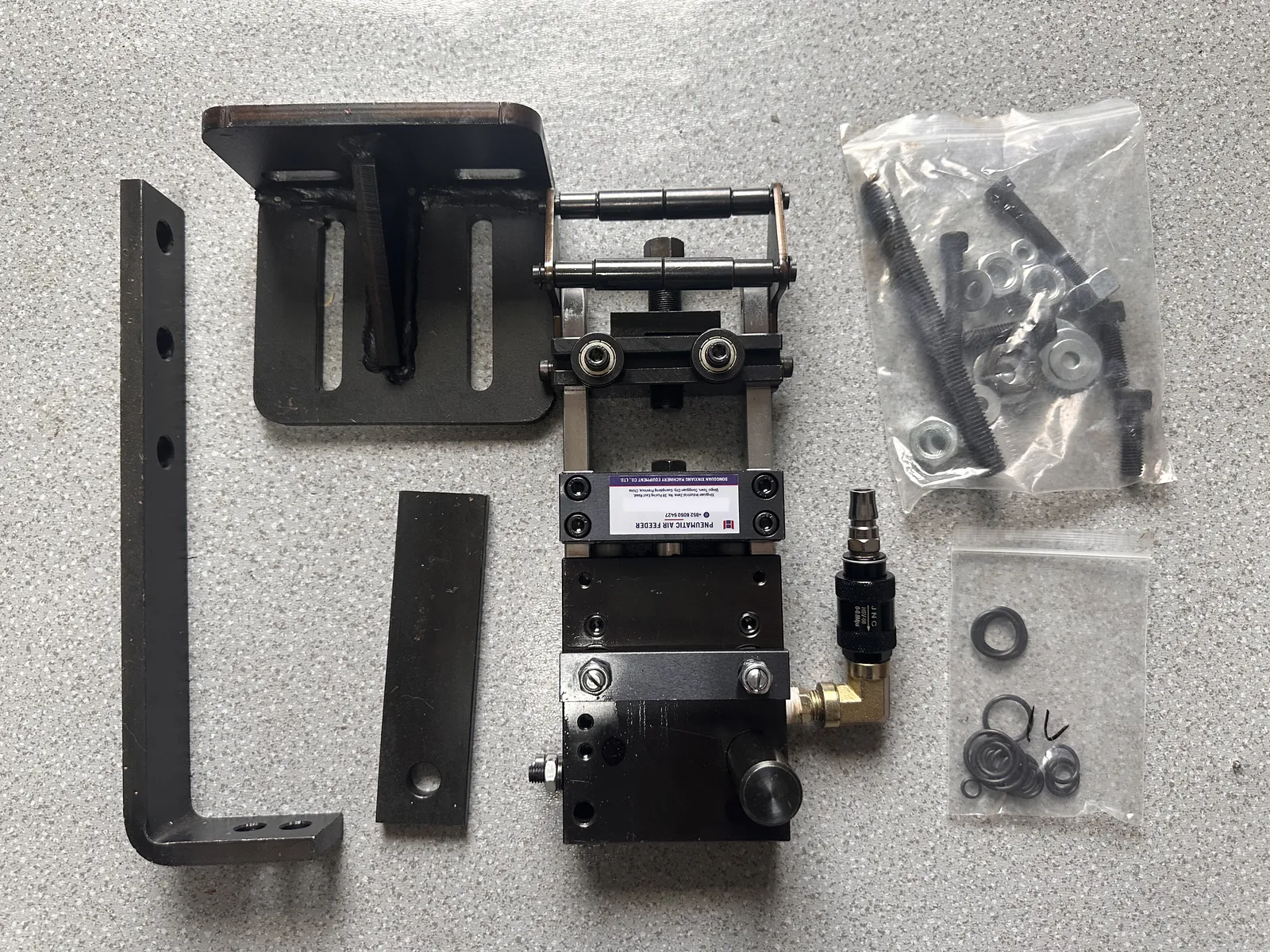
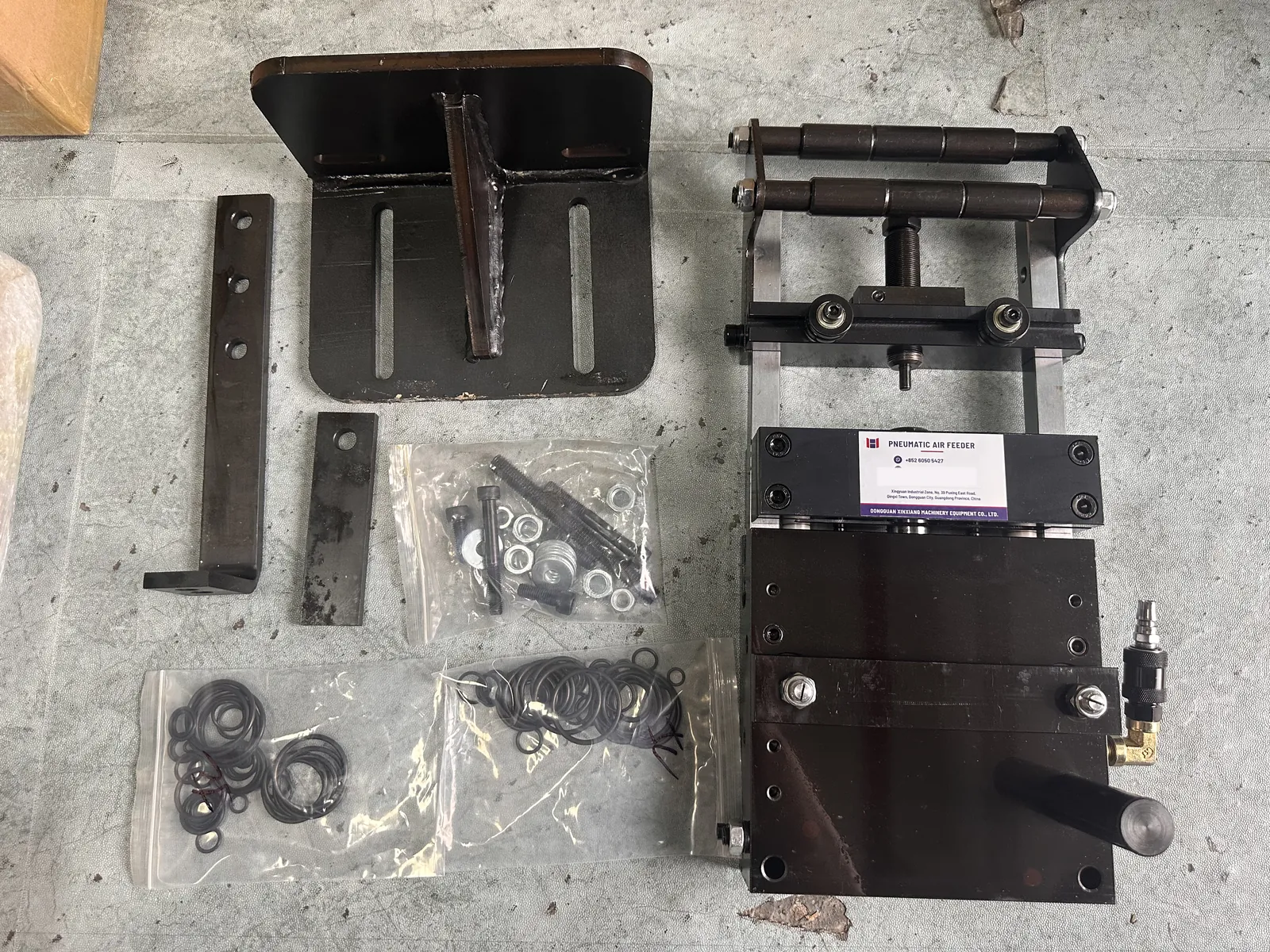
What is in the box

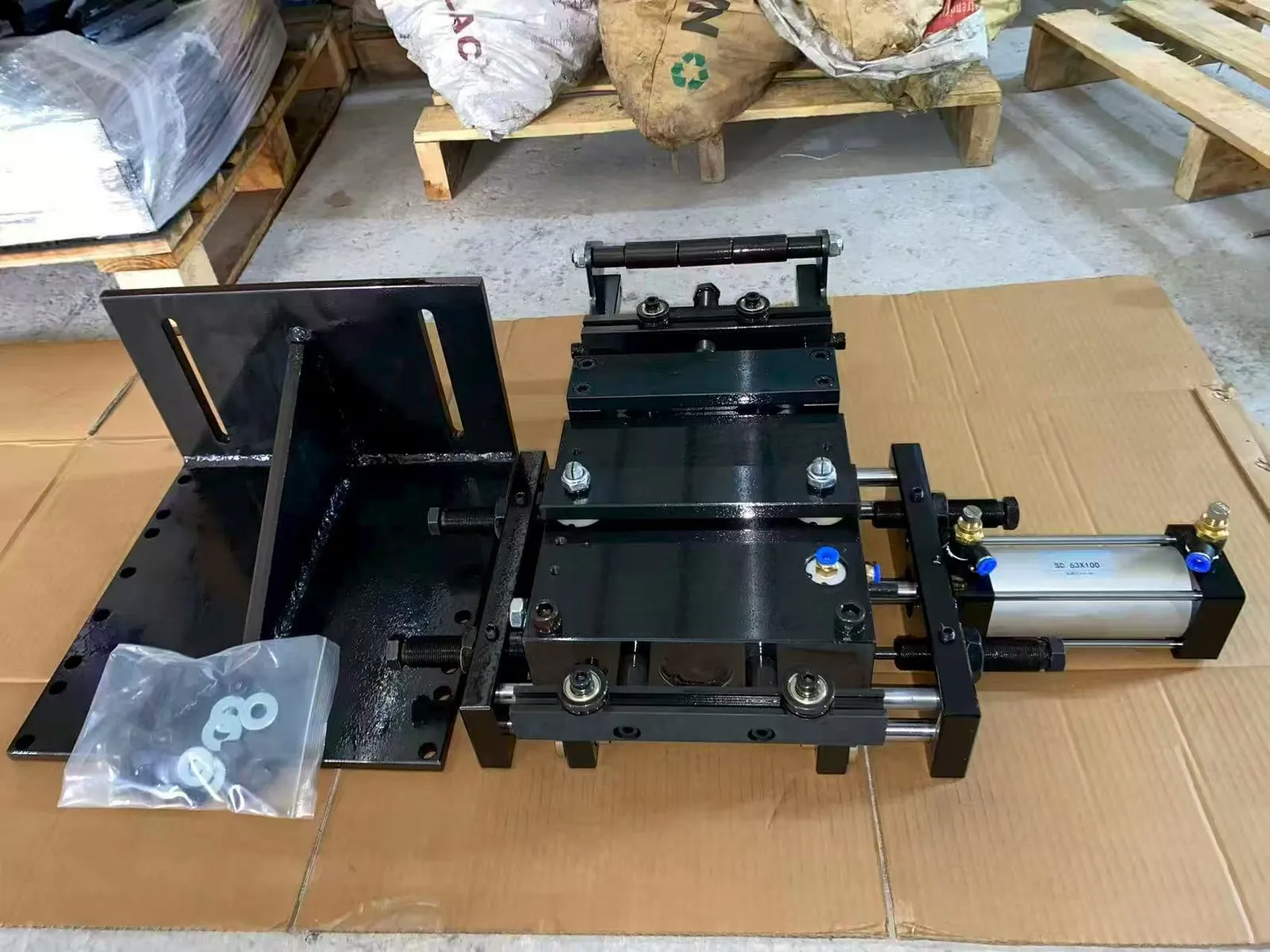
Everything shipped with a standard AF-1C laid out on the floor: feeder, mounting bracket, striker bar and plate, a bag of bolts and washers, and a bag of seal rings
AF-1C, standard: feeder, mounting bracket, striker bar and plate, bolts, air coupling, spare seal rings.
Everything shipped with a standard AF-5C laid out on the floor: feeder, mounting bracket, striker bar and plate, bolts and washers, two bags of seal rings
AF-5C, standard: the same set, one size up.
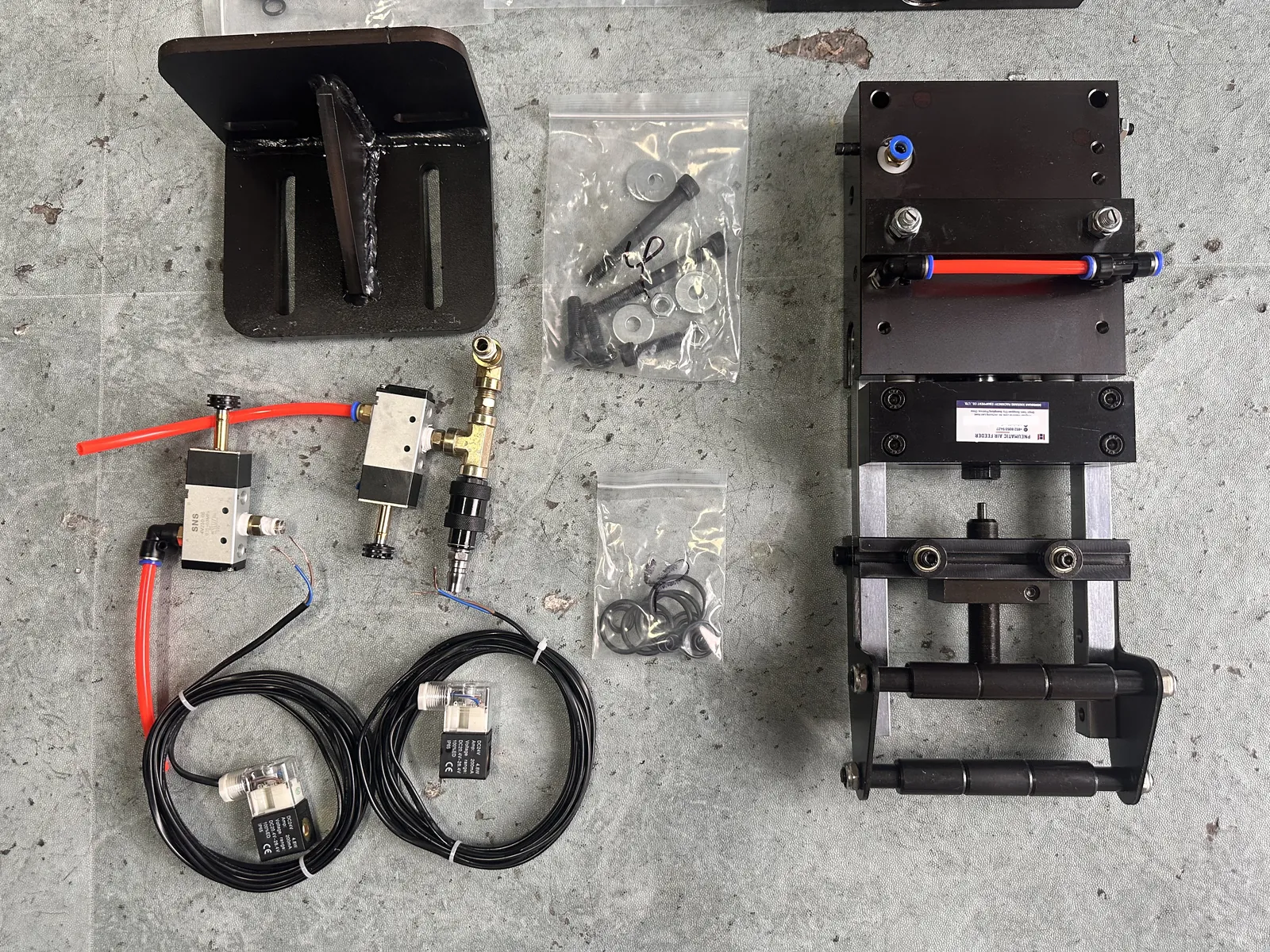
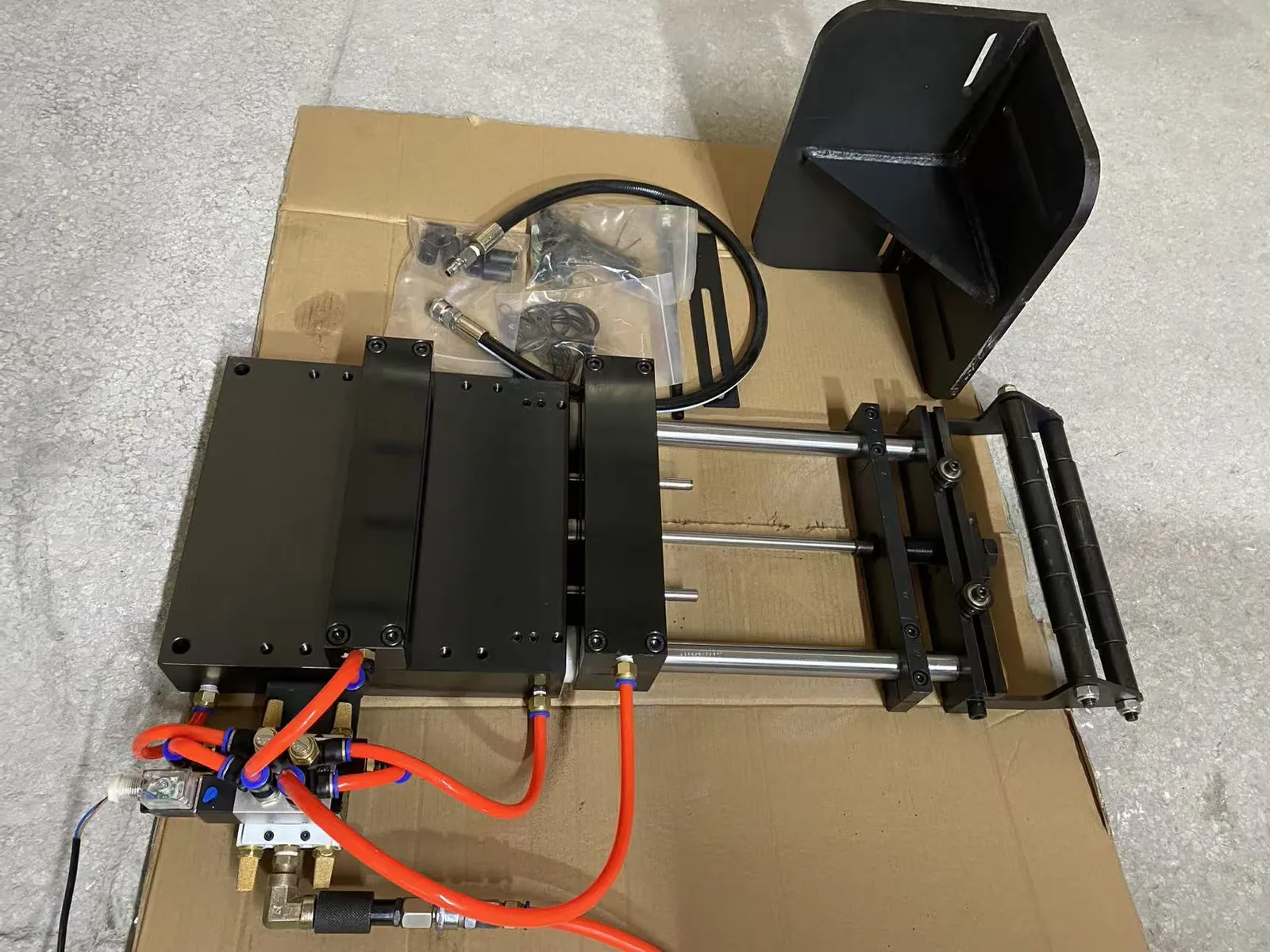
Everything shipped with an E+R air feeder: feeder without trigger rod, mounting bracket, two solenoid valves, two coils with cables, bolts and seal rings
E+R: two solenoid valves with their coils and cables. No trigger rod, so no striker.

One stroke, four moves.

An air gripper feed has no motor. Two clamps take turns holding the strip.

  1. Grip

    Press slide goes up, die open. The moving clamp grips the strip and the fixed clamp opens.

    Moving clamp
    grips
    Fixed clamp
    open
  2. Feed

    The feed cylinder pushes the moving clamp forward by one pitch.

    Moving clamp
    grips, moves
    Fixed clamp
    open
  3. Hold

    Press slide comes down. The fixed clamp grips and the moving clamp opens.

    Moving clamp
    open
    Fixed clamp
    grips
  4. Return

    The moving clamp returns while the die is closed, ready for the next stroke.

    Moving clamp
    open, returns
    Fixed clamp
    grips

One stroke, one feed. On the standard type a striker on the press slide presses the trigger rod on the way down and lets it go on the way up.

Feed length is set once. You set it mechanically with the adjusting screw. It stays there until it is reset.

Push or pull. Mounted before the die the feeder pushes general material. Mounted after the die it pulls thin or soft material.

See it on a press

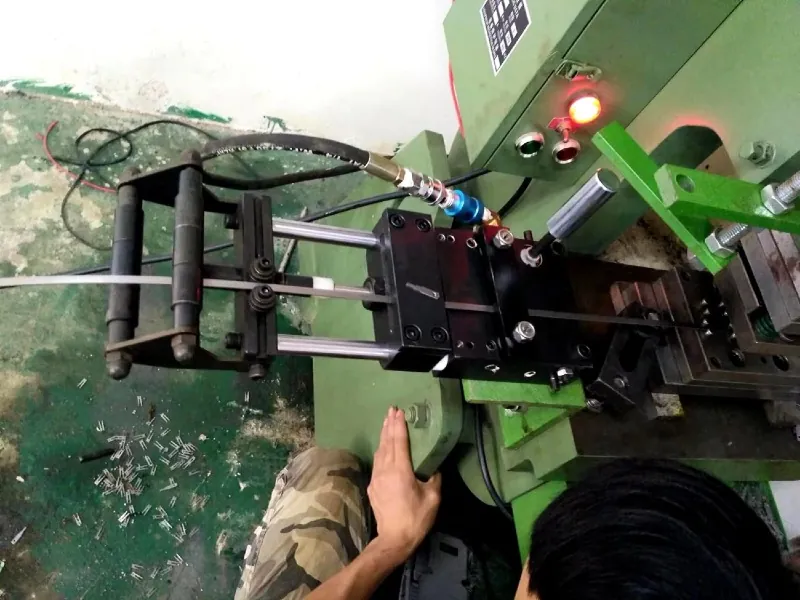
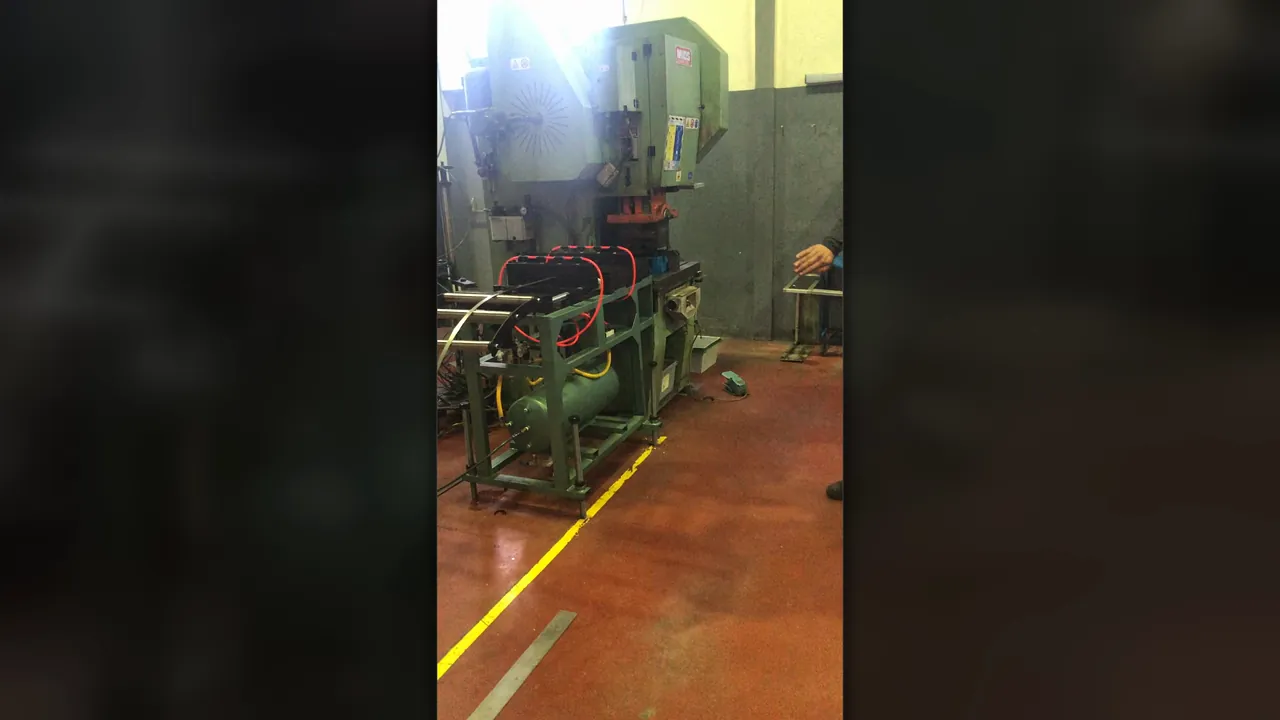
A standard AF-5C at a customer's press: strip off the decoiler, one air hose, the striker working the trigger rod.
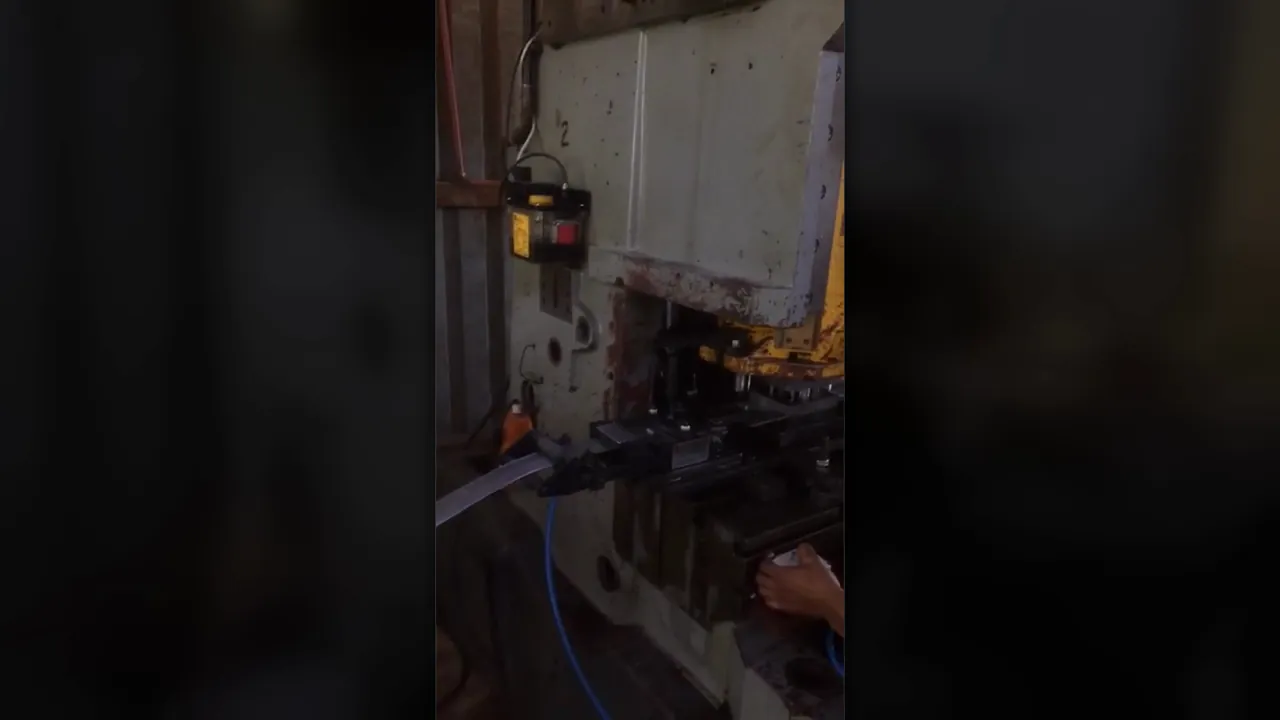
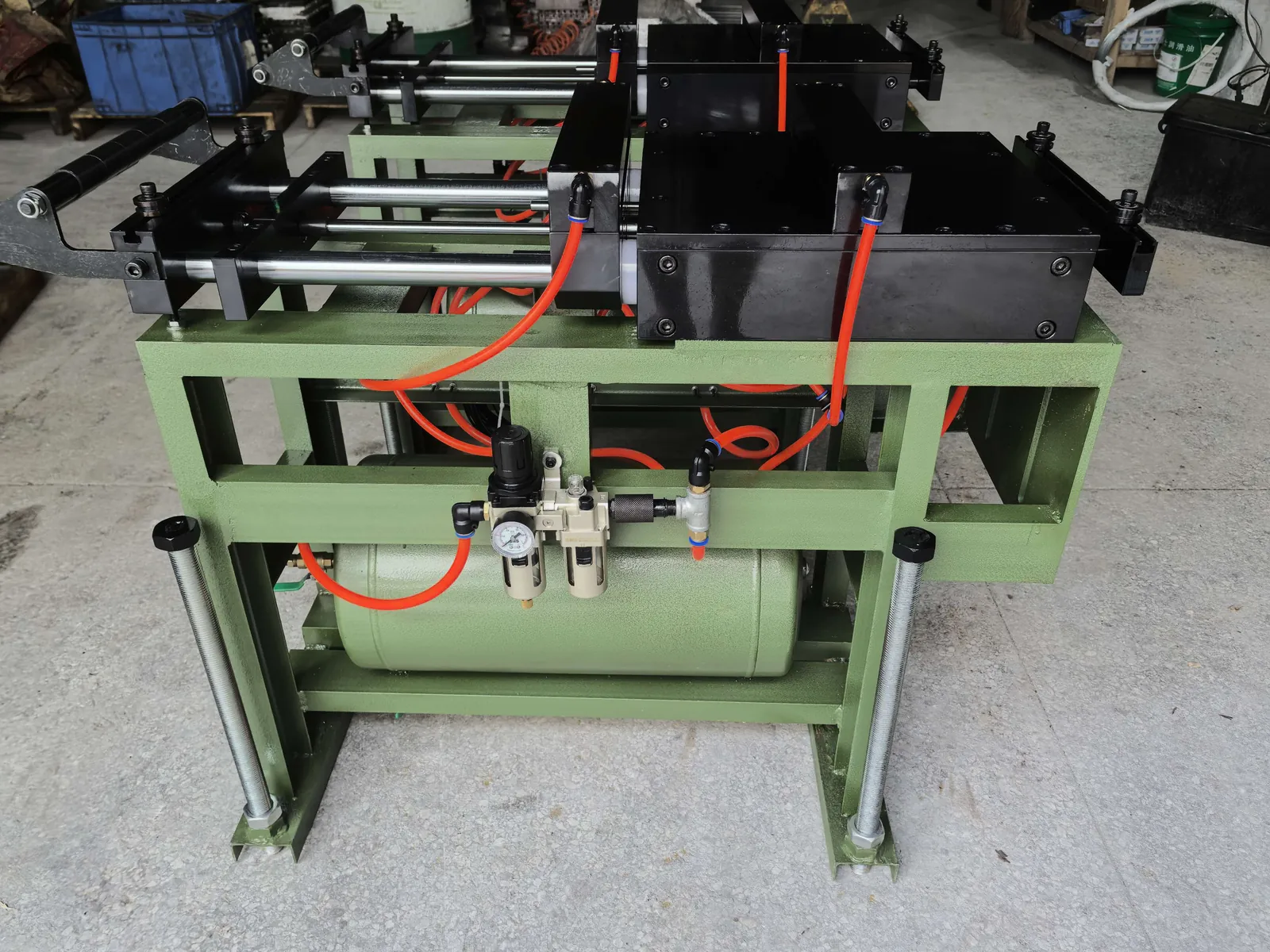
Video frame: a mechanical air feeder mounted on a punch press, strip entering from the left
Mechanical AF-5C on a punch press. 1 min 7 s, English narration. Open on YouTube

Beyond the standard body.

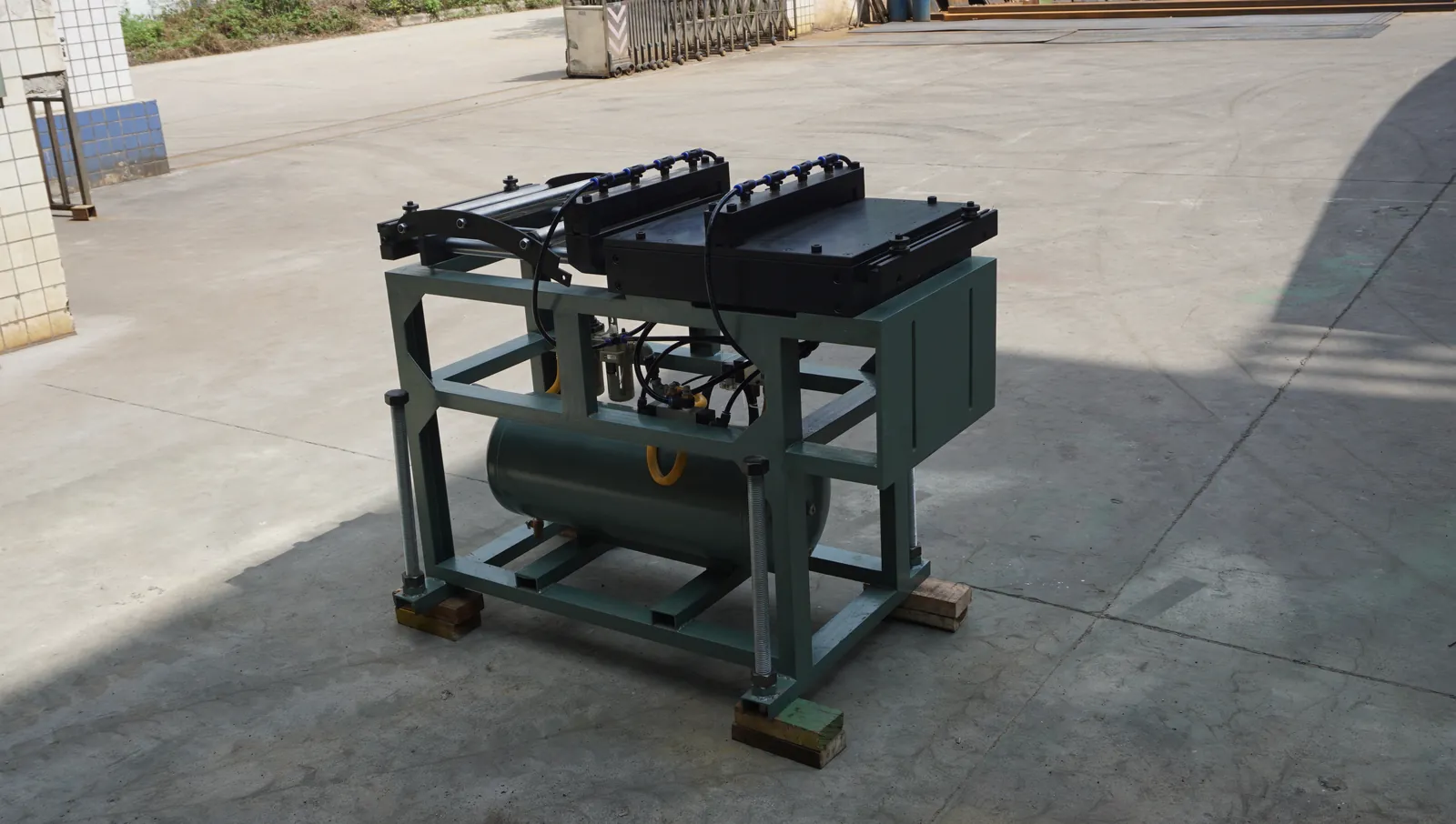
Workshop photo of a complete floor-standing air feeder on a green stand, with the air tank under the feeder
Floor-standing unit: stand, air tank and regulator.

Floor-standing

AF-8C and larger come on a floor stand with a solenoid valve and an air storage tank as standard. Height adjusts to the press or shear.
Video frame: a floor-standing AF-10C air feeder feeding a press, air tank under the feeder
AF-10C with decoiler, straightener and press. 37 s, English narration. Open on YouTube
A floor-standing air feeder with two feed heads on a green stand, outside the factory
Two heads on one stand
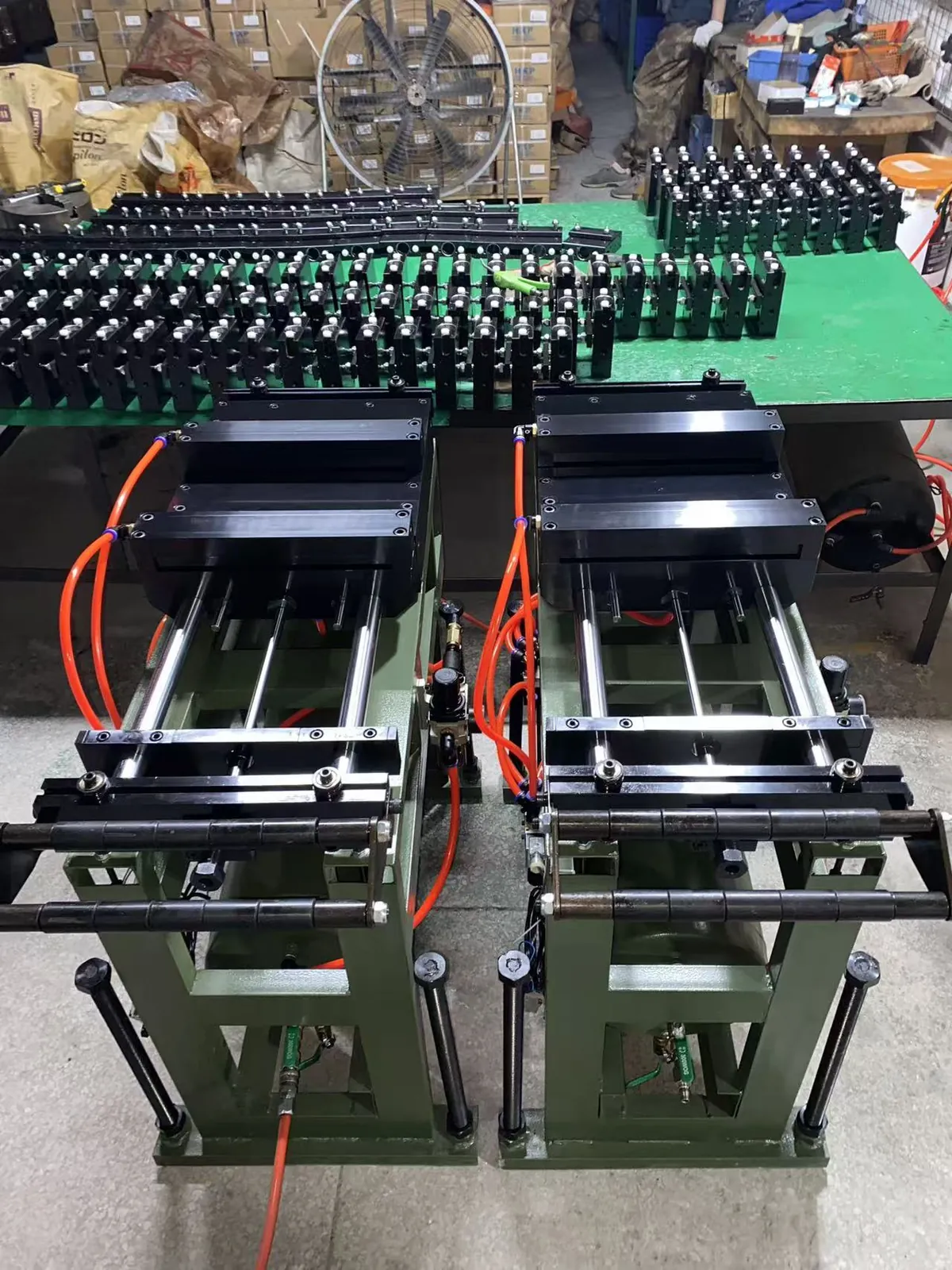
Two floor-standing air feeders side by side in the workshop, seen from the inlet end
A pair, ready to ship
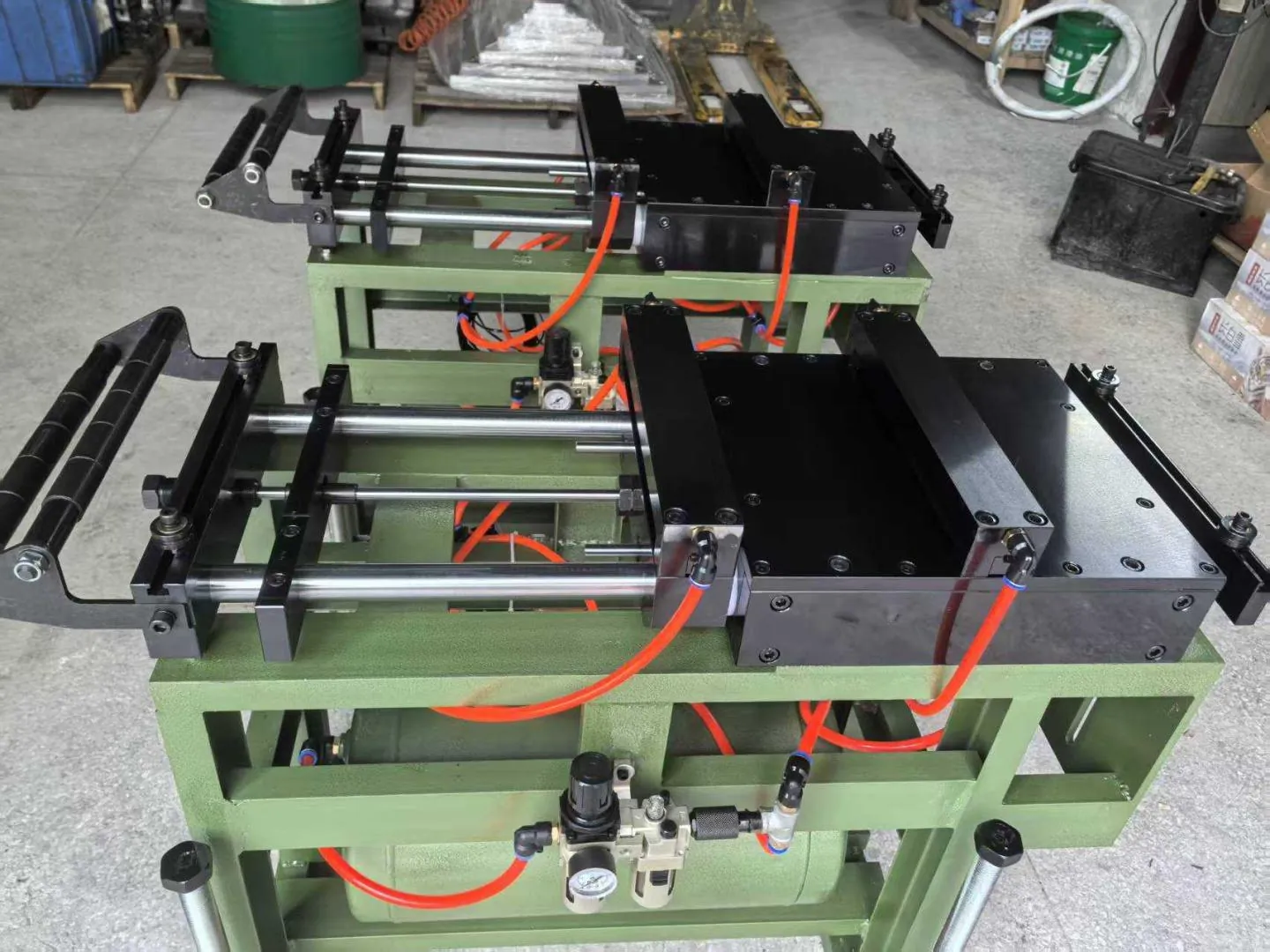
Two floor-standing air feeders on green stands with their regulators
Stand, regulator, tank
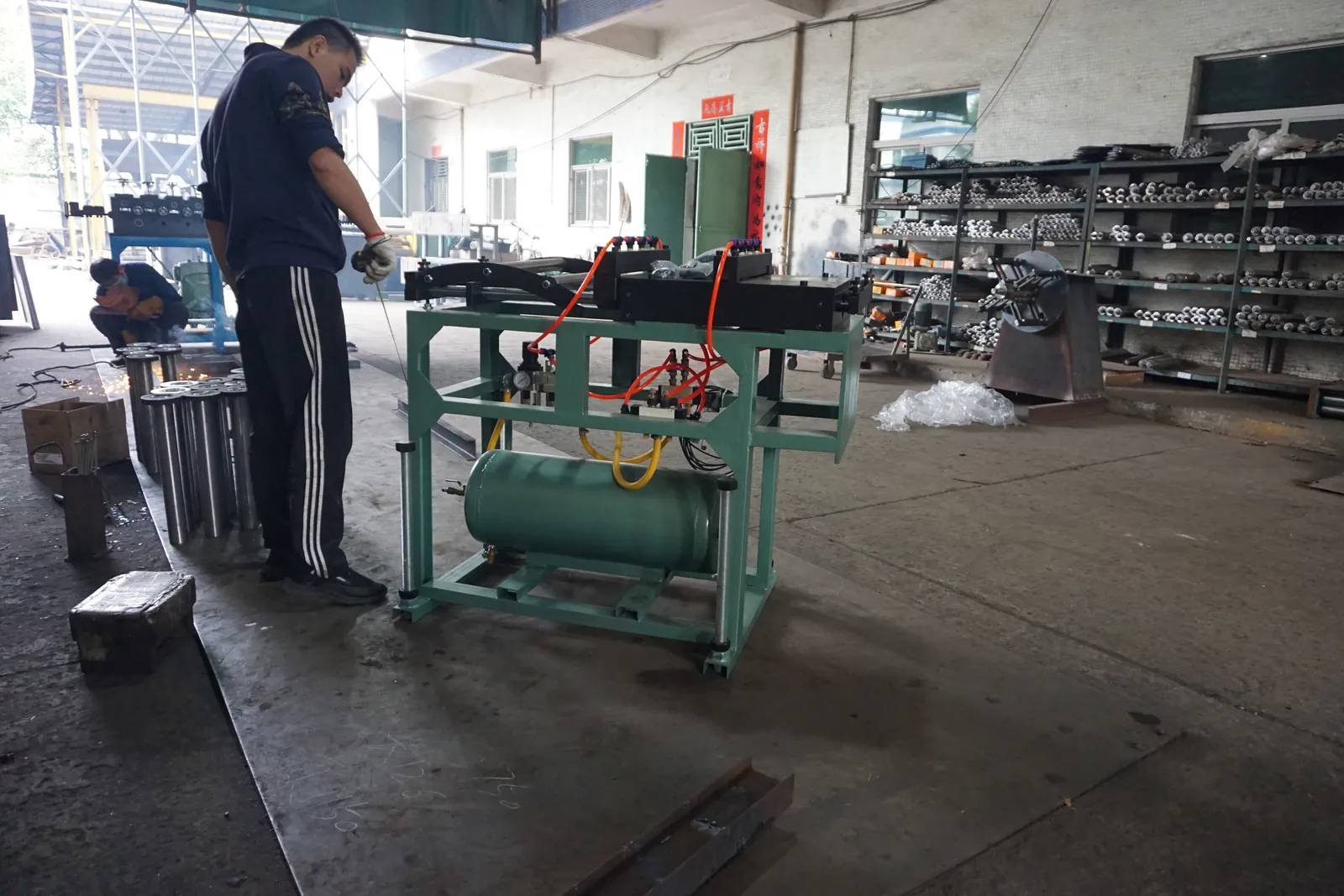
A technician checking a floor-standing air feeder in the workshop
Checked before shipping
Close view of a wide floor-standing feeder head with several clamp cylinders and its inlet rollers
Wide head, several clamps

Heavy-duty, built to the material

Reinforced body, stronger clamping and a buffer, for material that is thicker or a pitch that is longer than the standard range.

  • Built so far: a feeder for 5.0 mm plate.
  • Built so far: an AF-4C with a 300 mm feed length.

There is no table for these builds. Tell us the material and we size it.
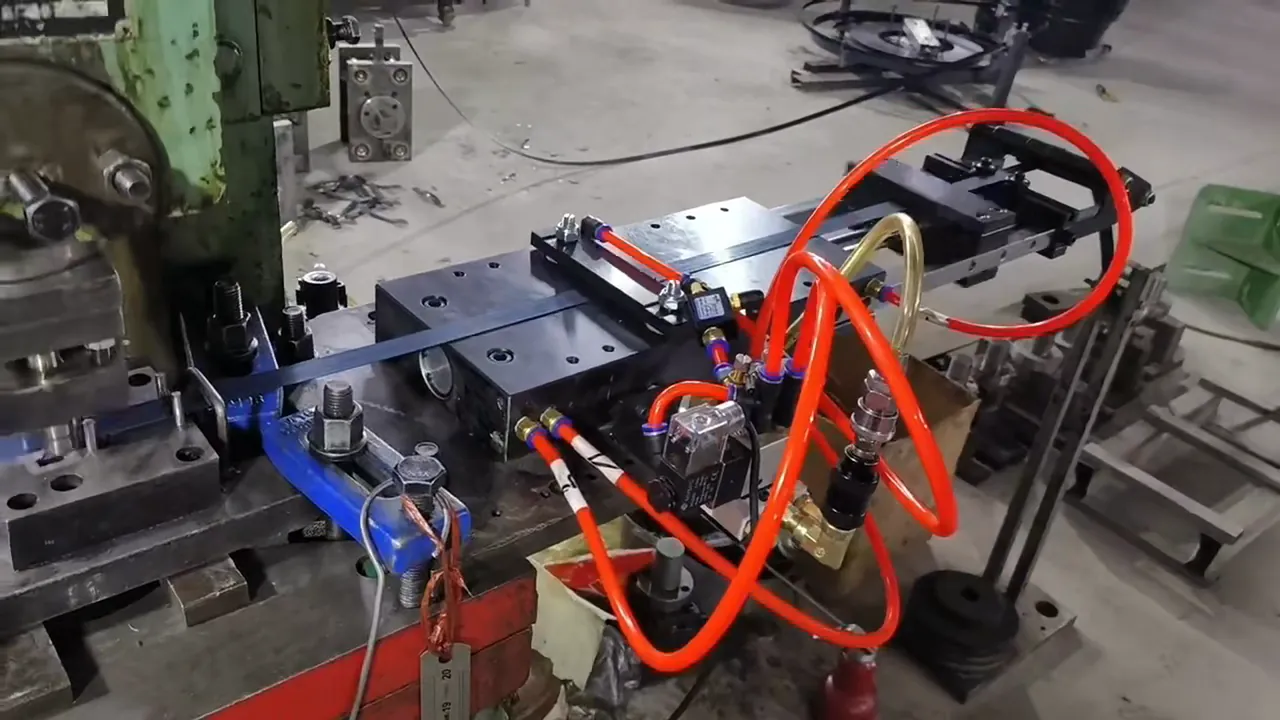
Video frame: a heavy-duty air feeder with a solenoid valve and red air tubes on a punch press
Heavy-duty feeder with solenoid valve, cam and micro switch. 27 s, English narration. Open on YouTube
Workshop photo of a heavy-duty air feeder with three guide rods, its solenoid valve, hose and mounting bracket laid out
Heavy-duty feeder with its valve, hose and mounting bracket.
Workshop photo of a zigzag air feeder: the feeder on a side-shift base with an air cylinder and a mounting bracket
Zigzag feeder on its side-shift base.

Zigzag

The feeder sits on a side-shift base, so one die can punch staggered rows from a wider strip. Made as a custom build.

Send the strip width and the blank size.

Up close.

The parts you touch when you set it up.
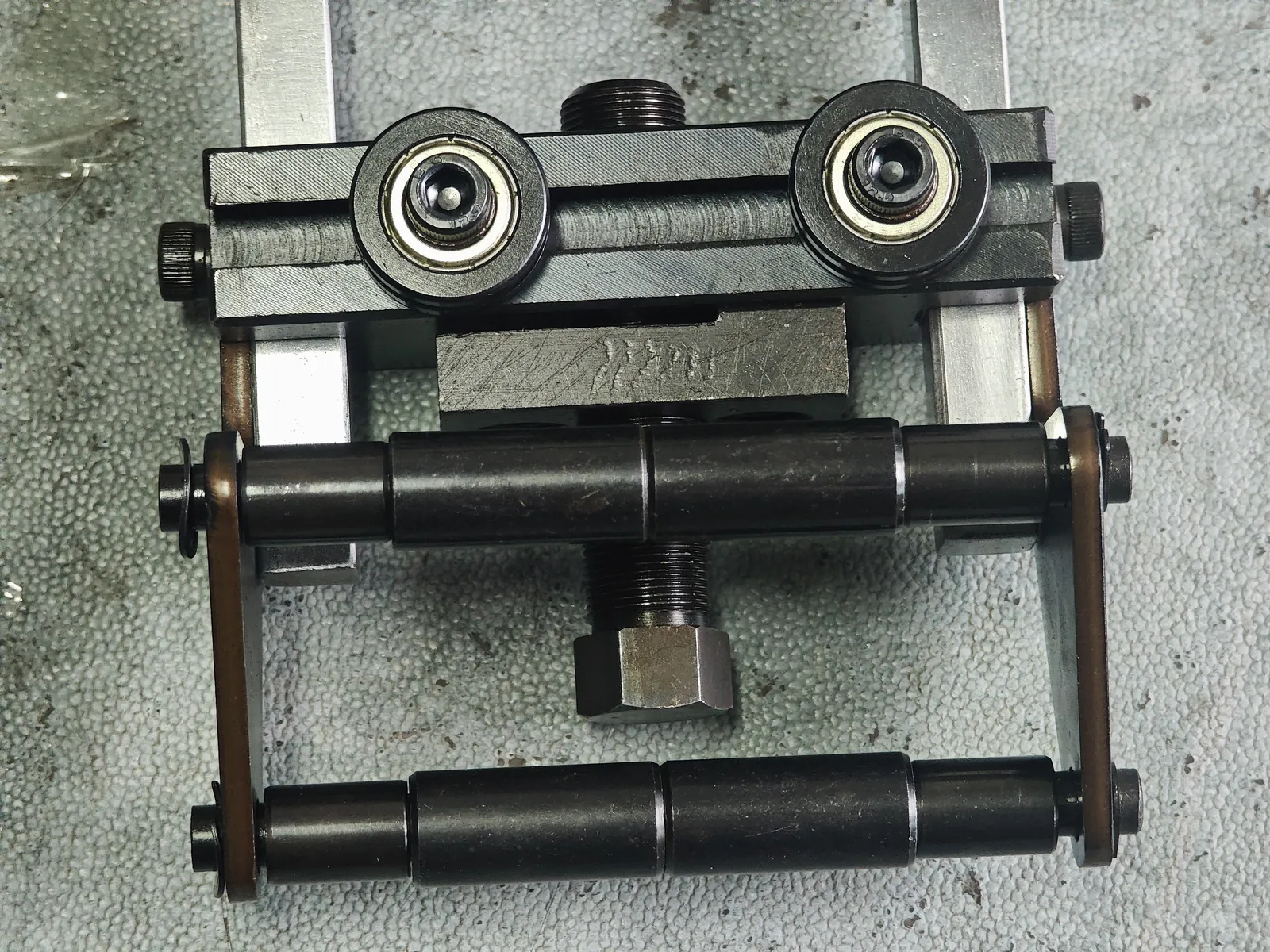
Close photo of the inlet guide rollers and the width guide wheels behind them
Inlet guide rollers
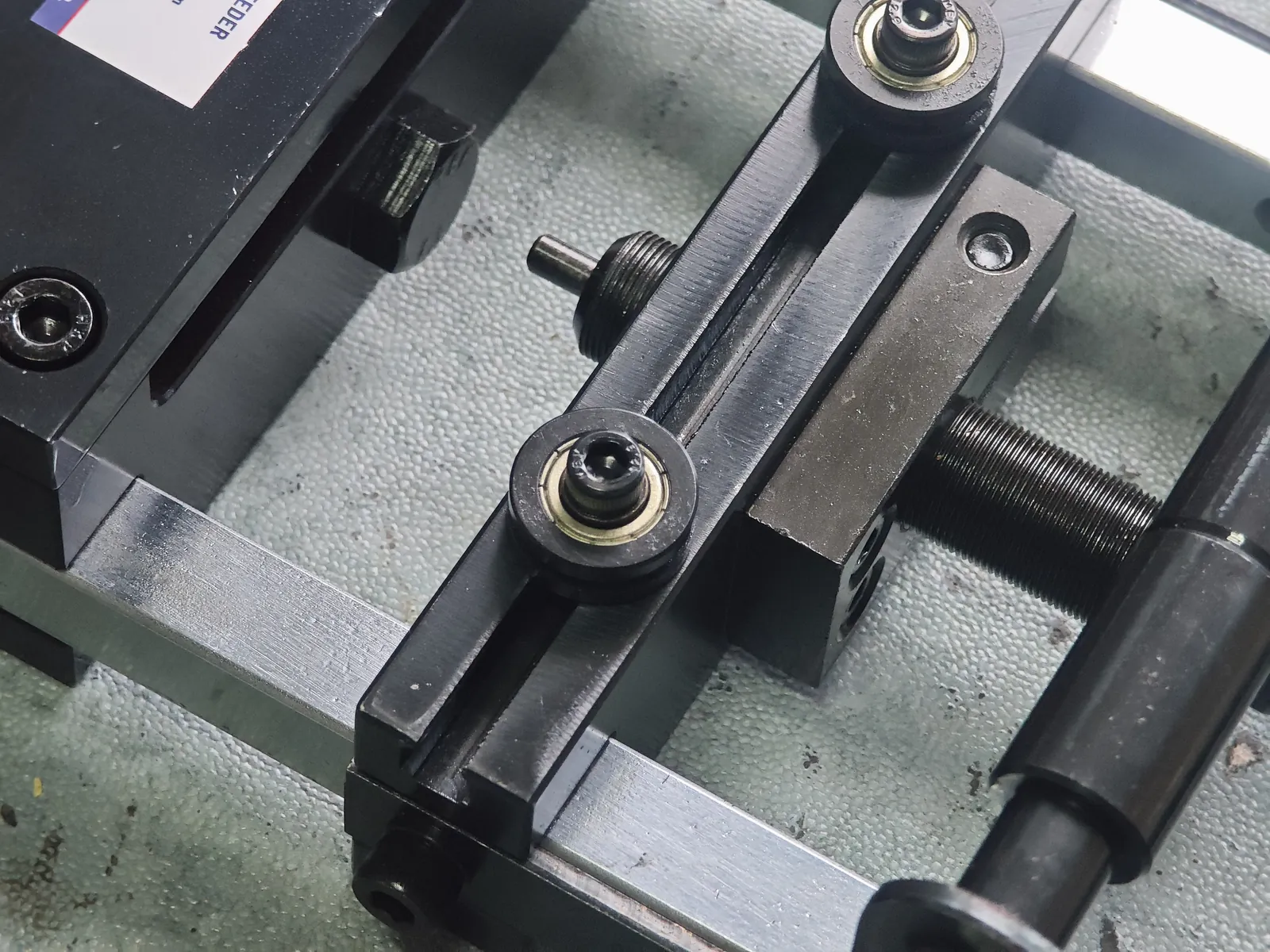
Close photo of the strip width guide: two bearing wheels on a slotted bar with its adjusting screw
Strip width guides and adjusting screw
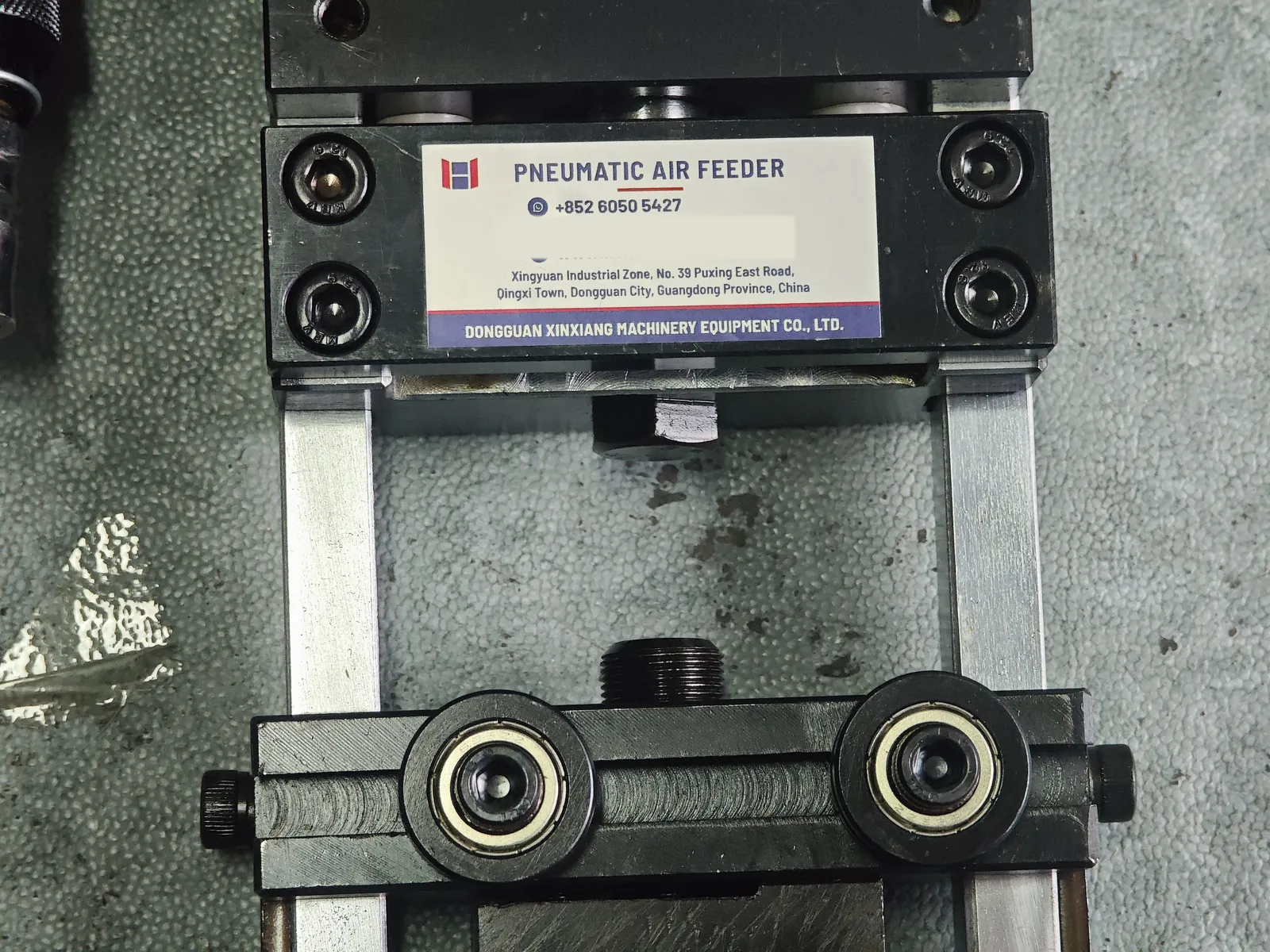
Close photo of the two width guide wheels running on bearings, in front of the moving clamp
Width guide wheels on bearings
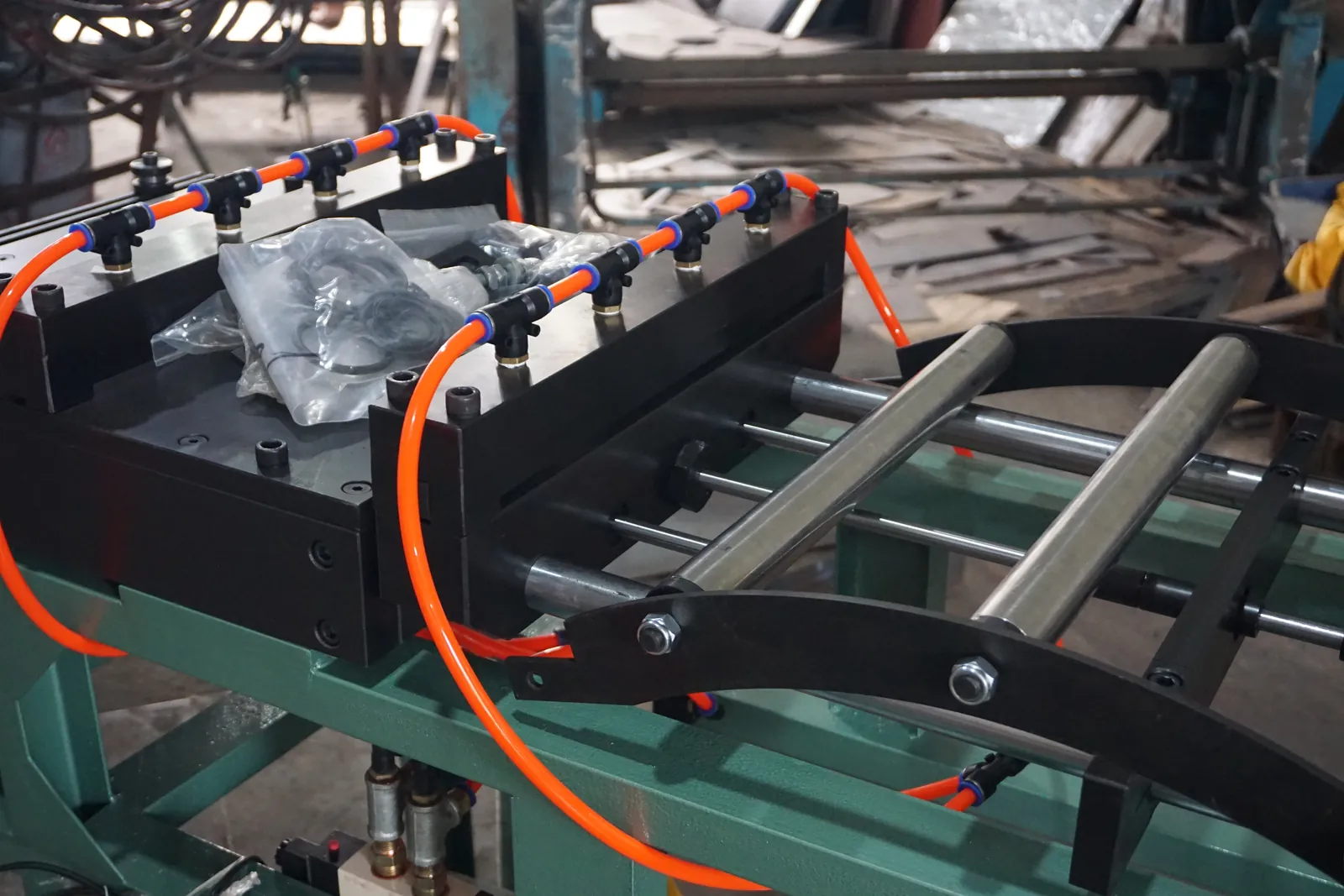
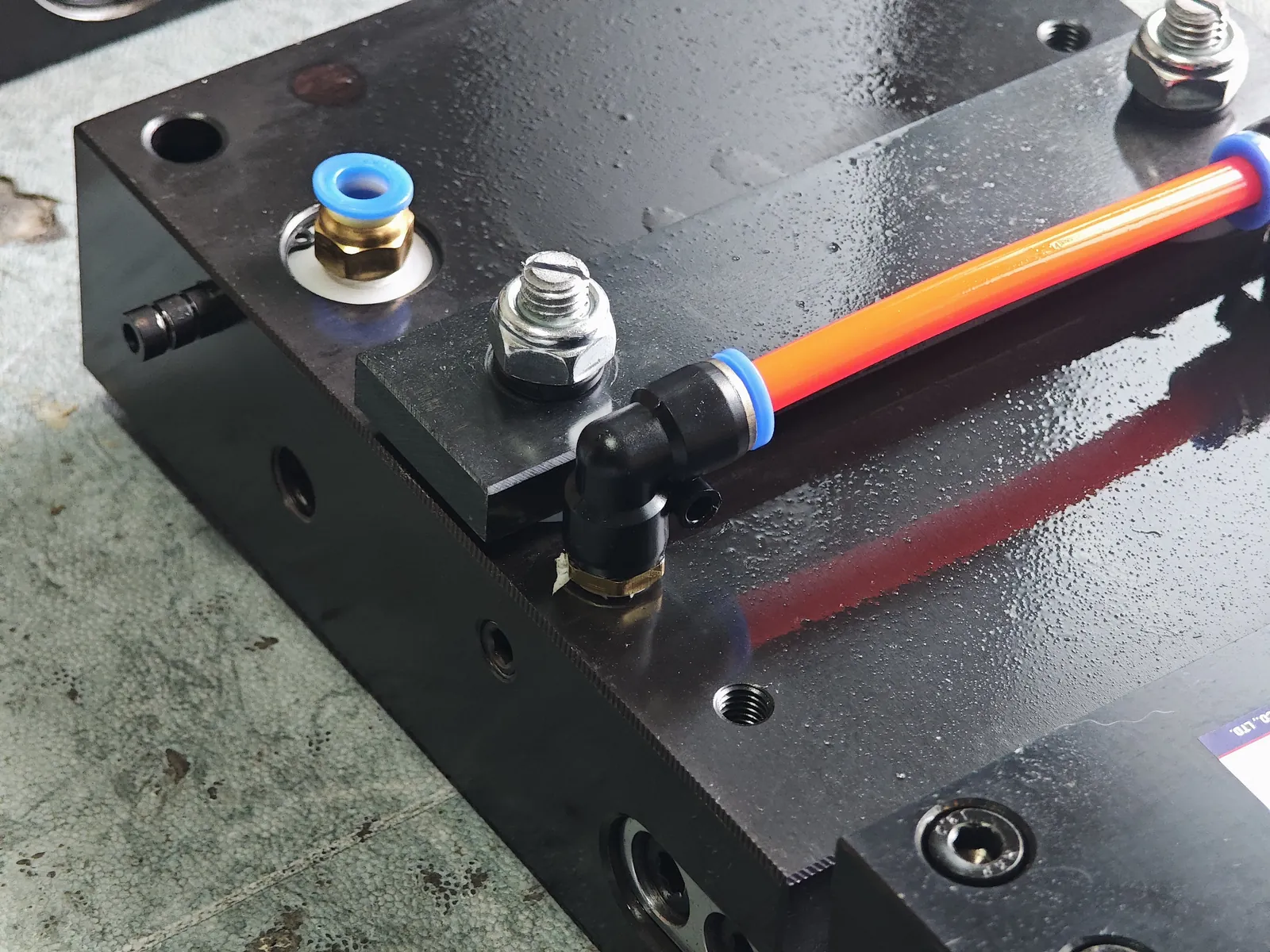
Close photo of the air tube and push-in fittings on top of the feeder body
Air tube and push-in fittings
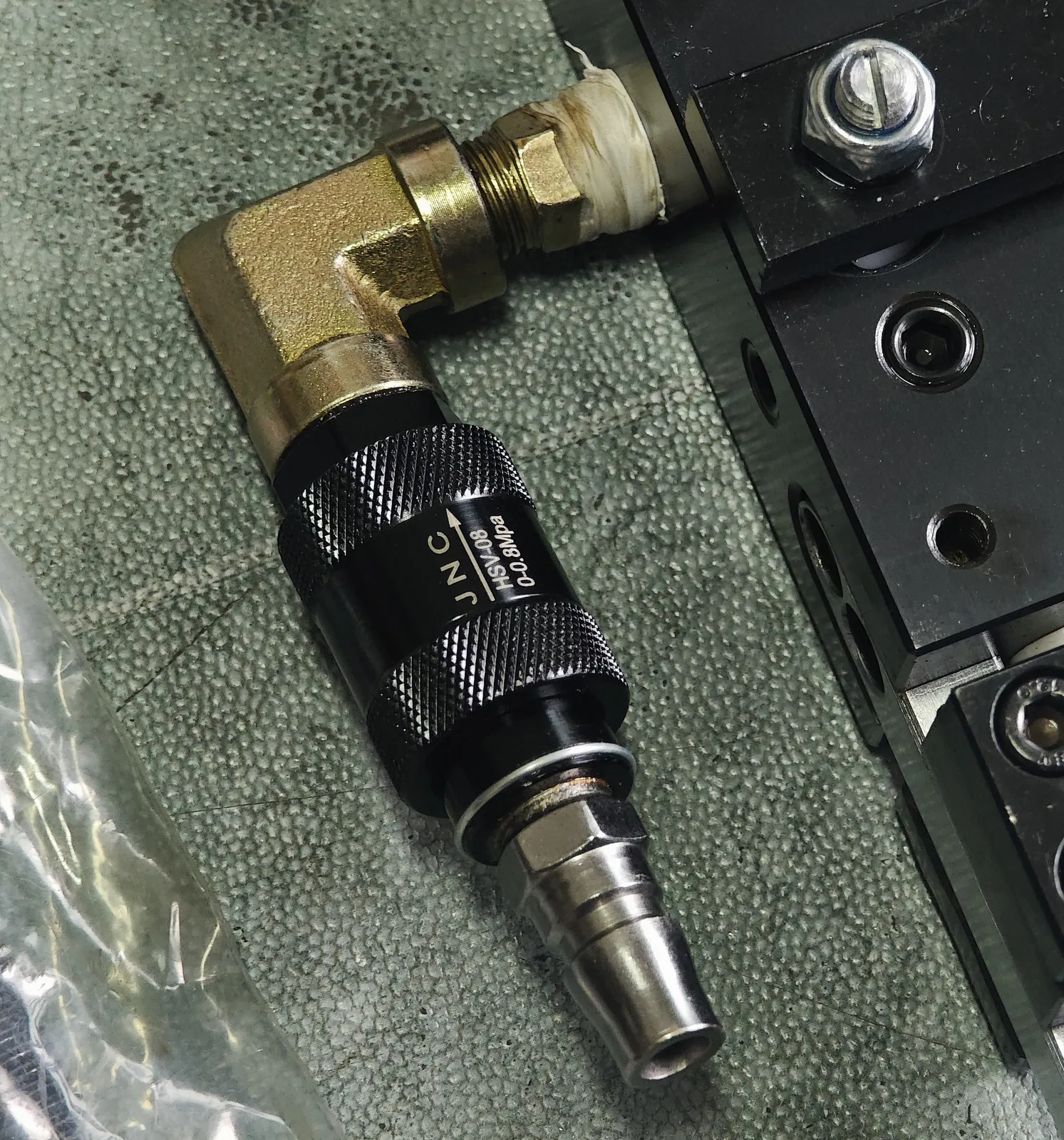
Close photo of the quick coupling and brass elbow on the air inlet
Quick coupling on the air inlet
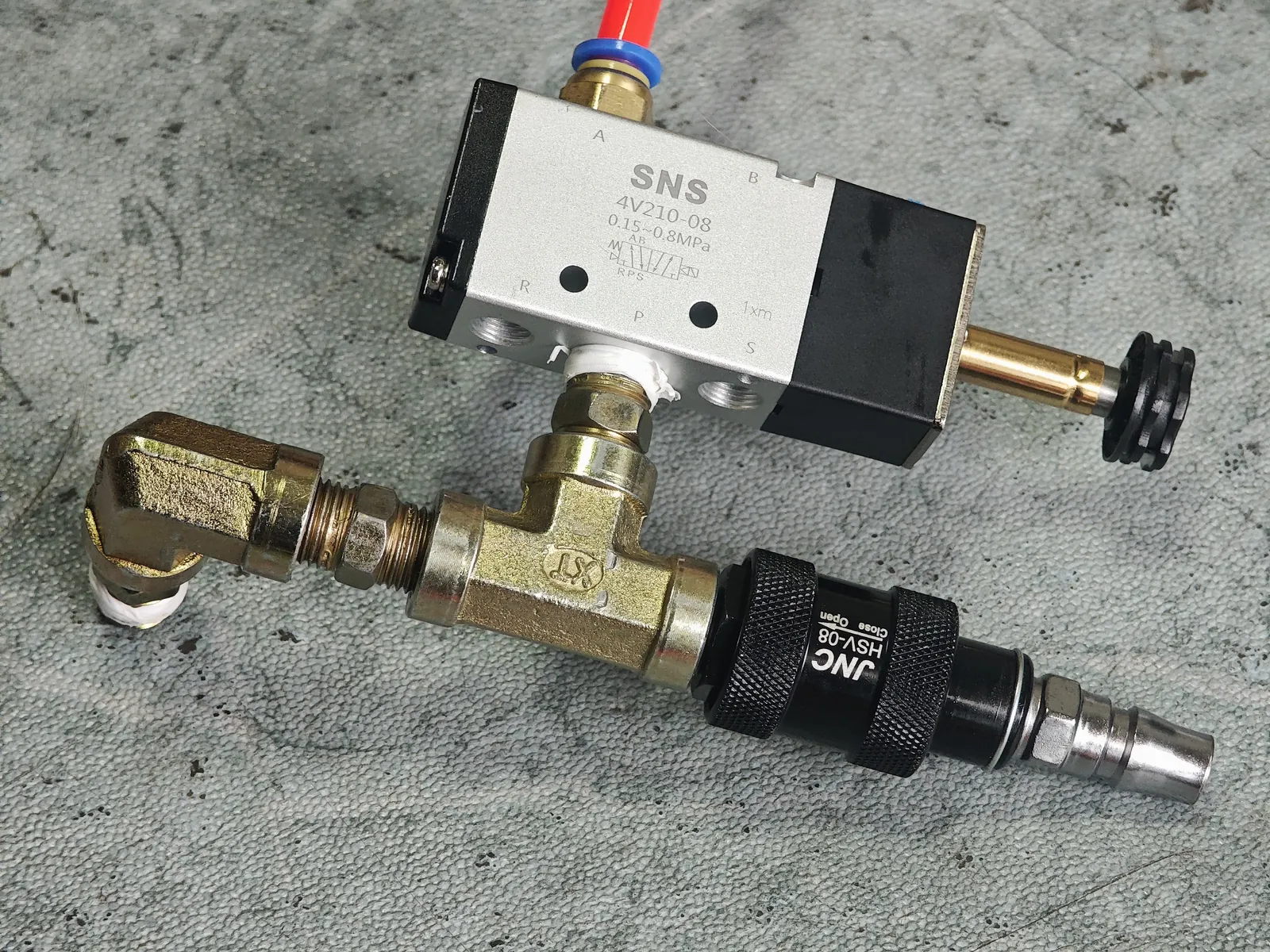
Close photo of a solenoid valve on the brass supply tee with the quick coupling
Solenoid valve on the supply tee
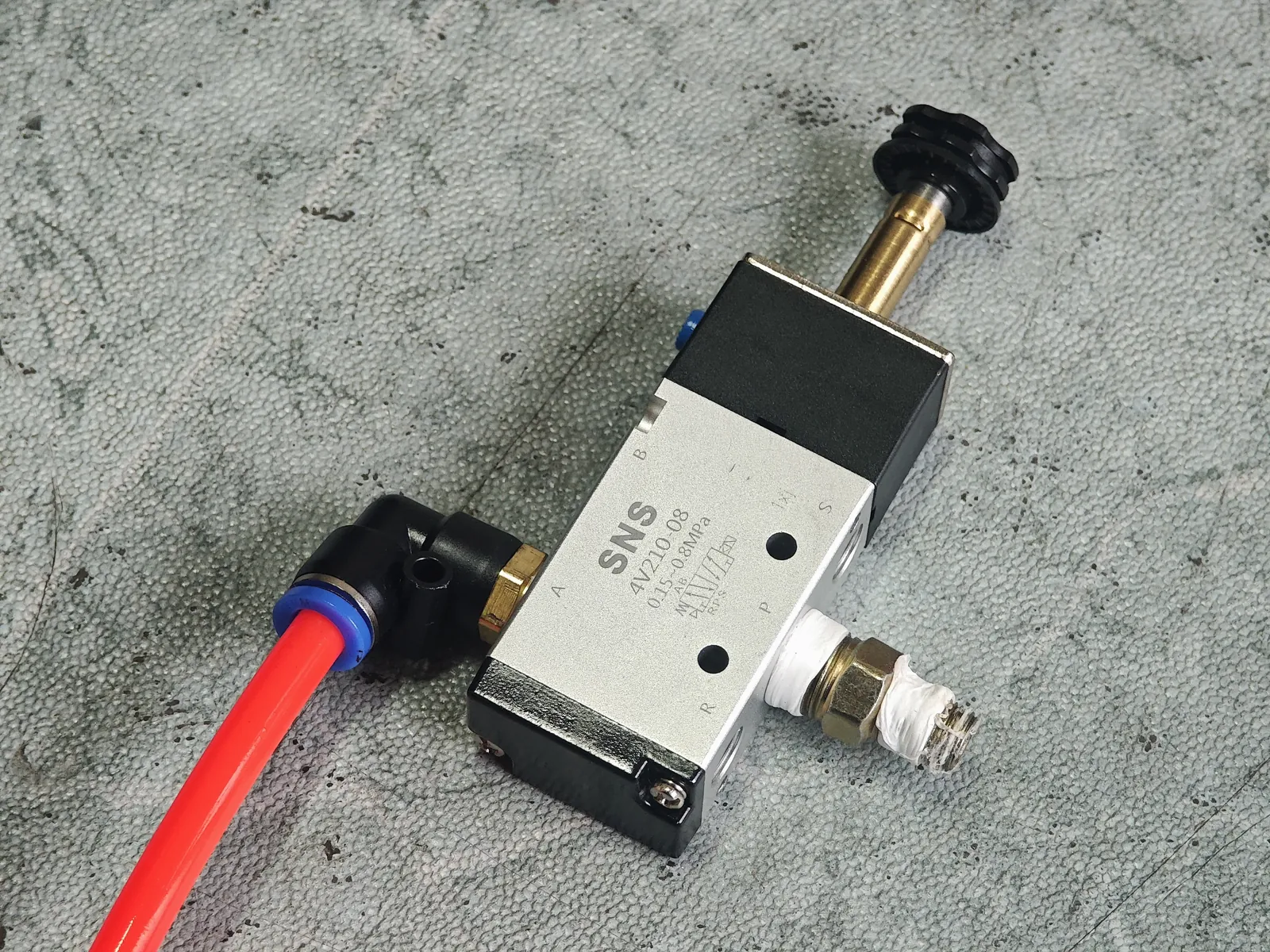
Close photo of a solenoid valve with its red air tube
Solenoid valve
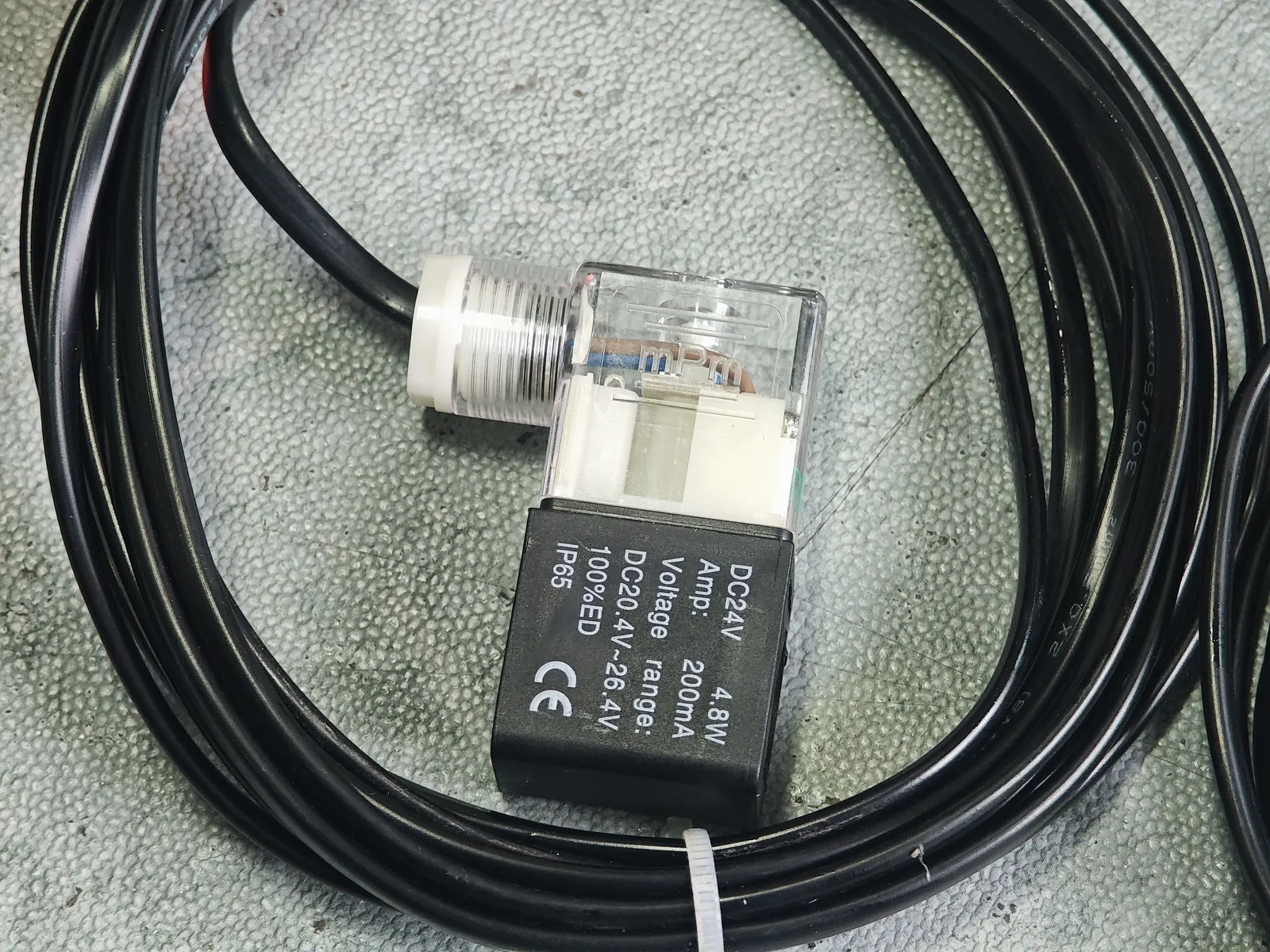
Close photo of a 24 V DC solenoid coil with its plug and cable
24 V DC coil, plug and cable
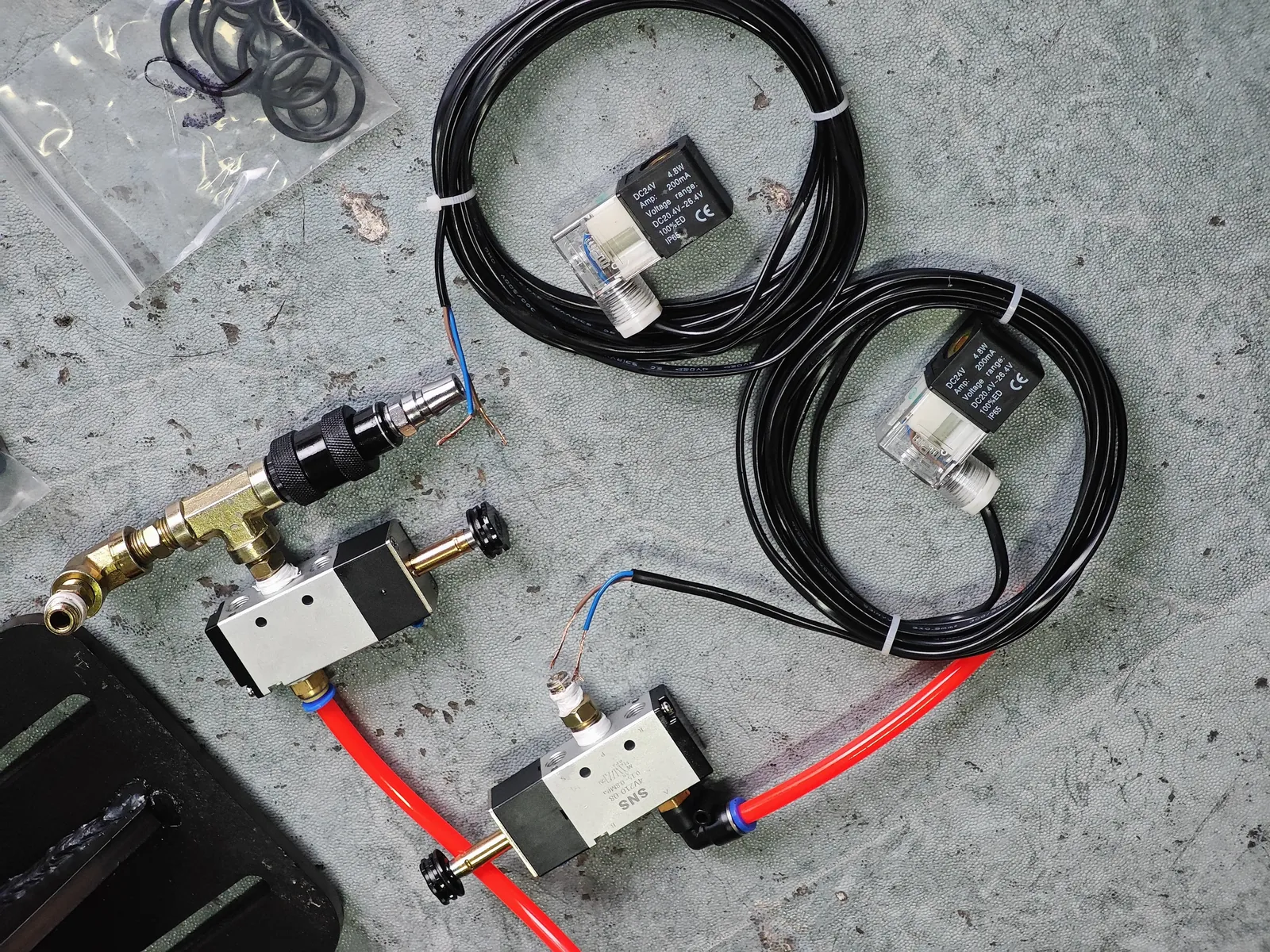
Two solenoid valves, two coils with cables and a bag of seal rings laid out
The valve set for an E+R feeder
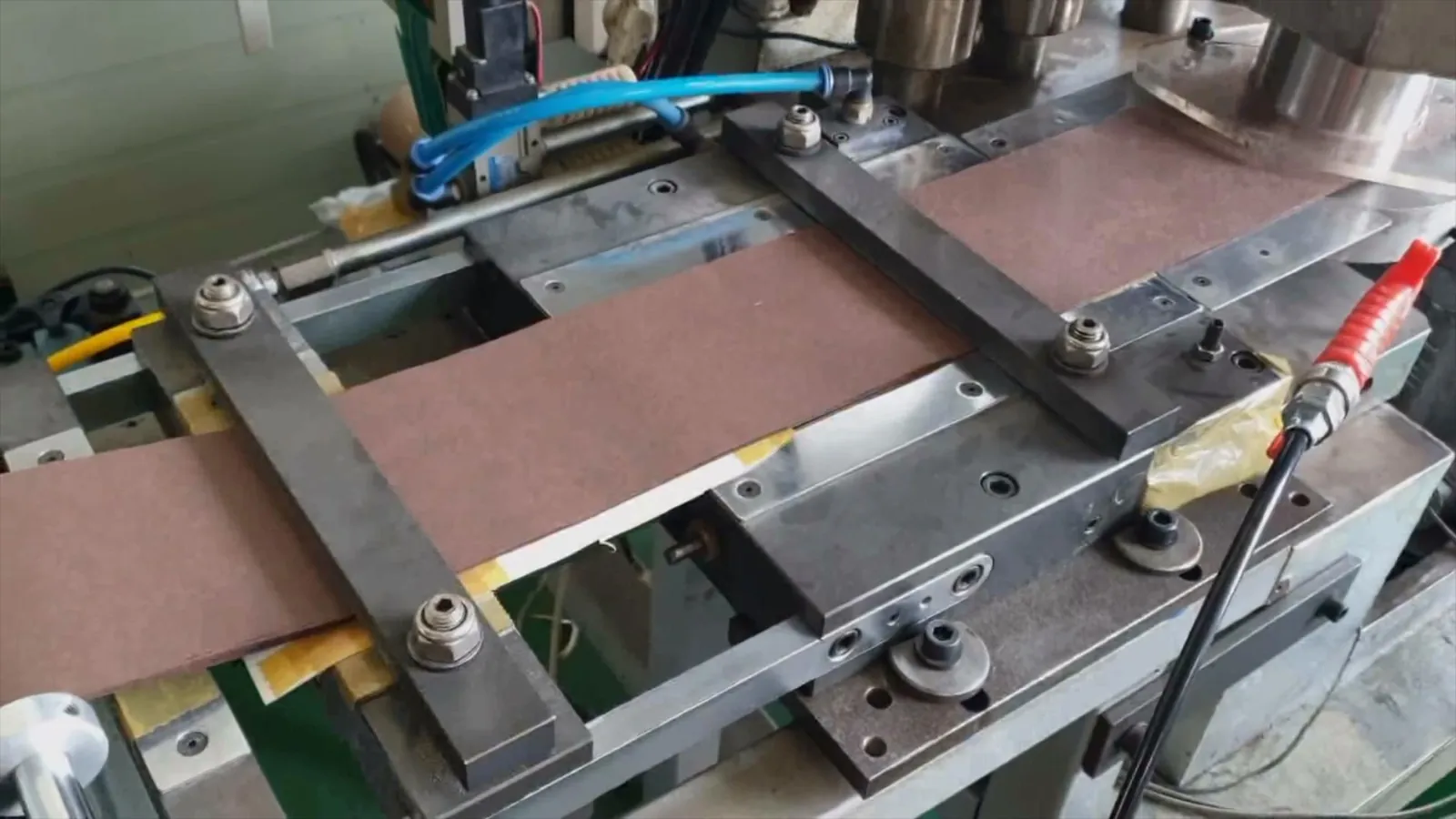
Abrasive cloth strip passing through an air feeder into a press
Abrasive cloth
An air feeder on a press punching metal mesh strip
Metal mesh
An air feeder mounted on a small press stamping electronic parts
Electronic parts
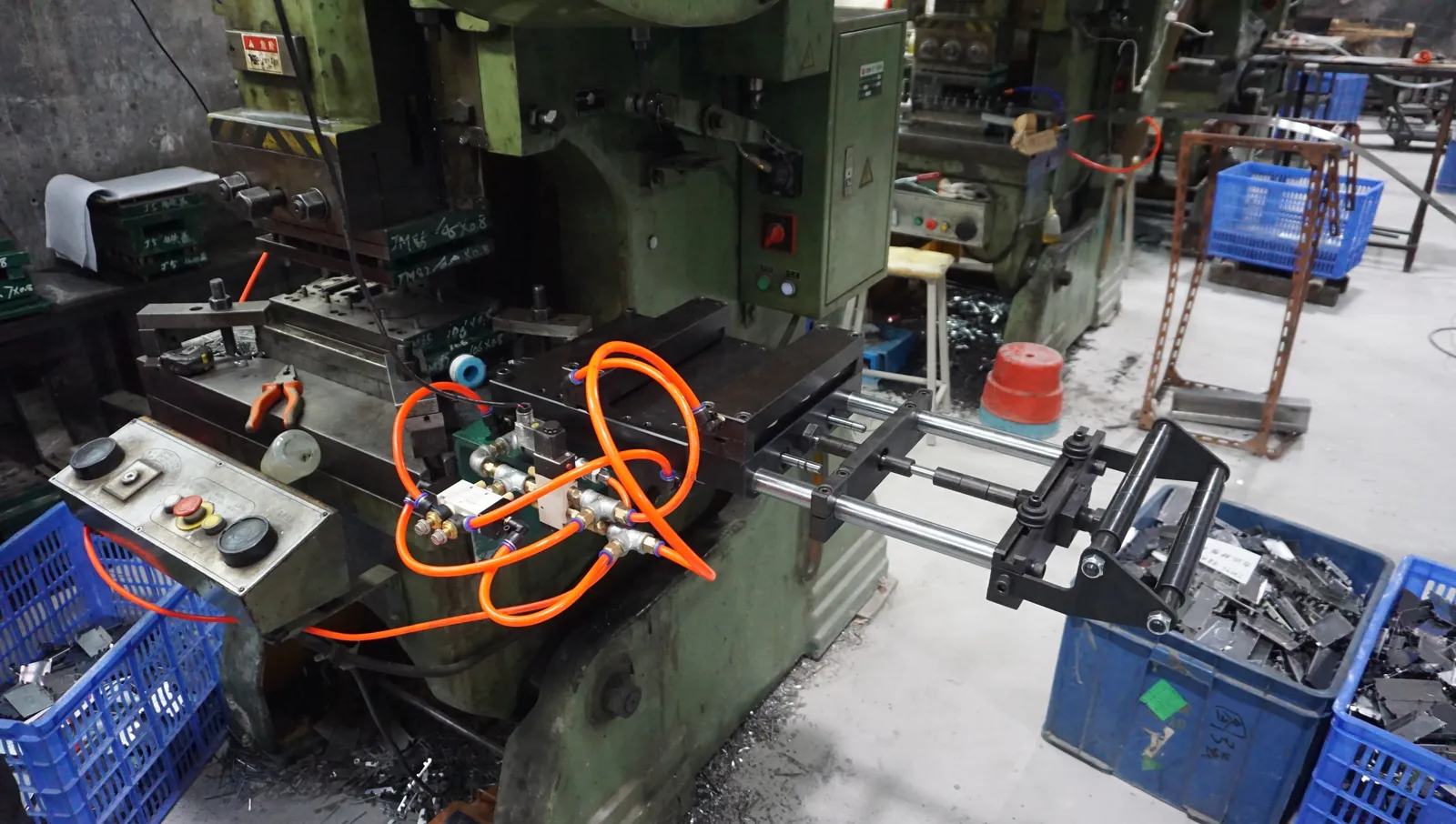
A heavy-duty air feeder with solenoid valves on a press in a stamping shop
On a press at a customer plant

Where it is used.

  • Abrasive cloth and sandpaper discs
  • Metal mesh and perforated strip
  • Motor laminations0.27 to 0.35 mm strip, 72 mm pitch, pilot-pin die, R type
  • Brass eyelets and grommets
  • Electronic partsTerminals and small stamped parts
  • Small hardwareClips, tabs and brackets
  • Two narrow spring-steel stripsFed side by side by one feeder

Packed for the trip.

Cartons on a wooden base for the small models, export wooden cases for the large ones.
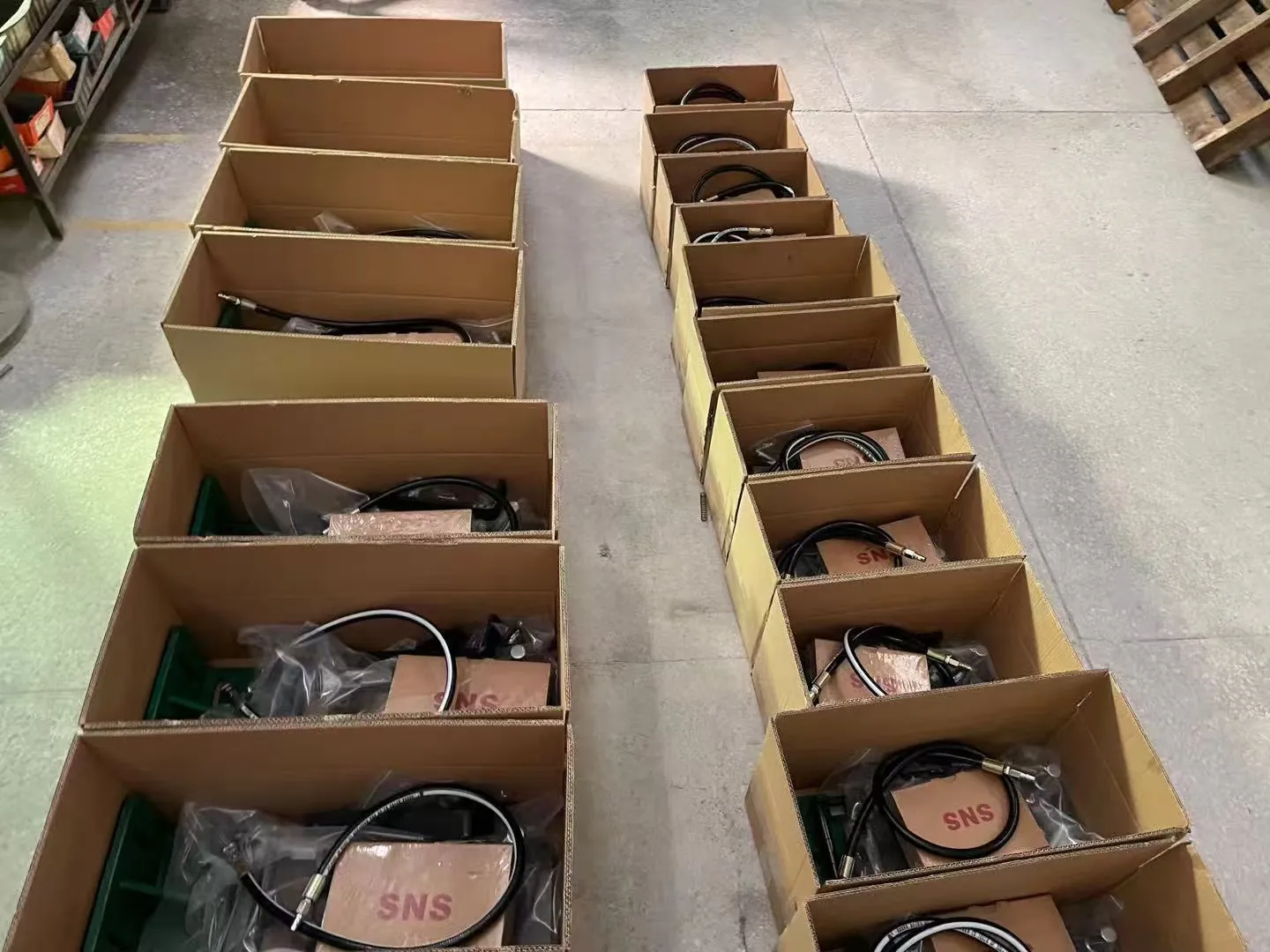
Two rows of open cartons on the workshop floor, each holding a packed air feeder and its accessories
Cartons, generally for AF-4C and smaller.
Standard models ship within
3 days
Warranty
2 years
By air or courier
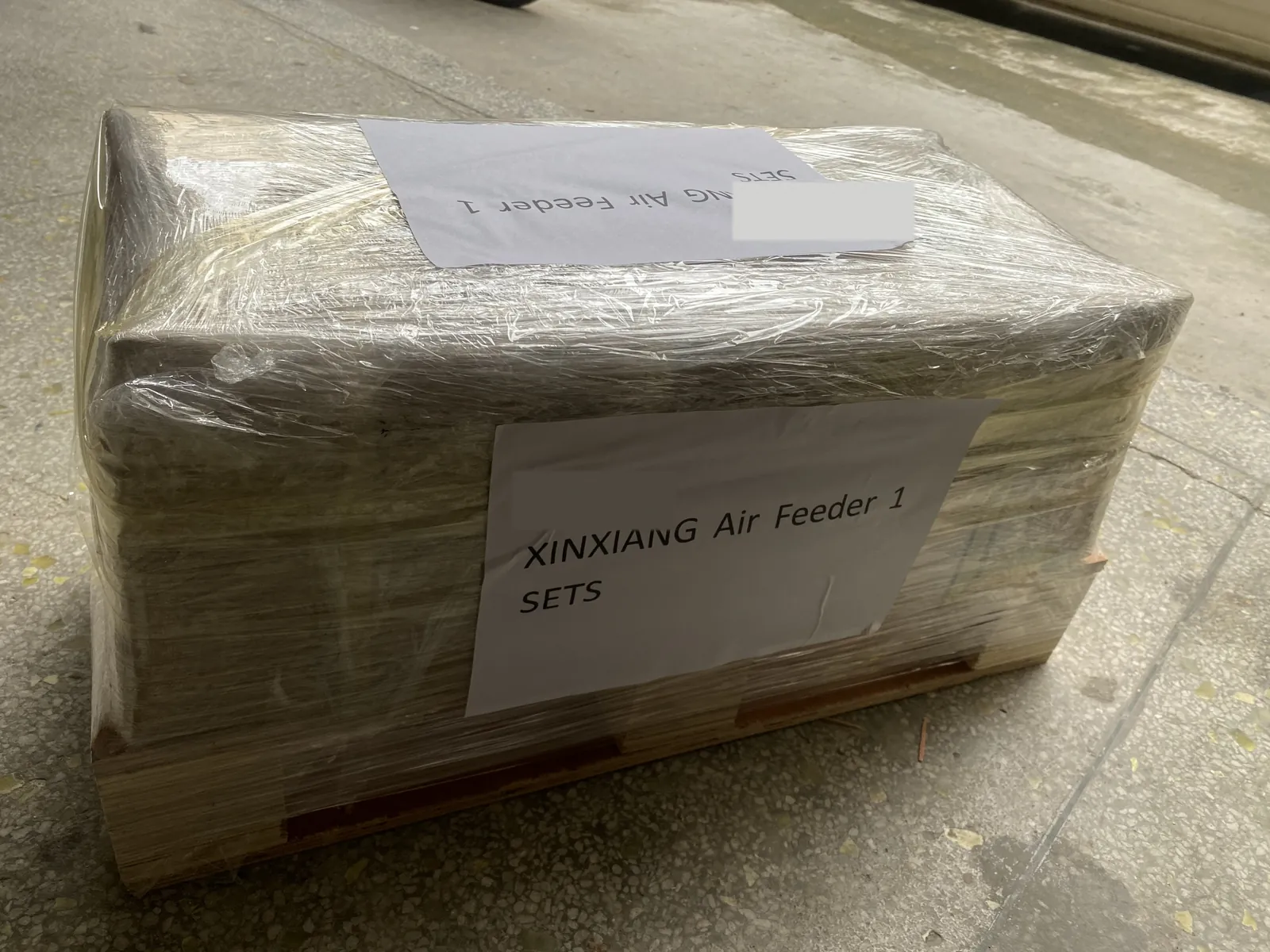
Carton on a wooden base board, wrapped and strapped.
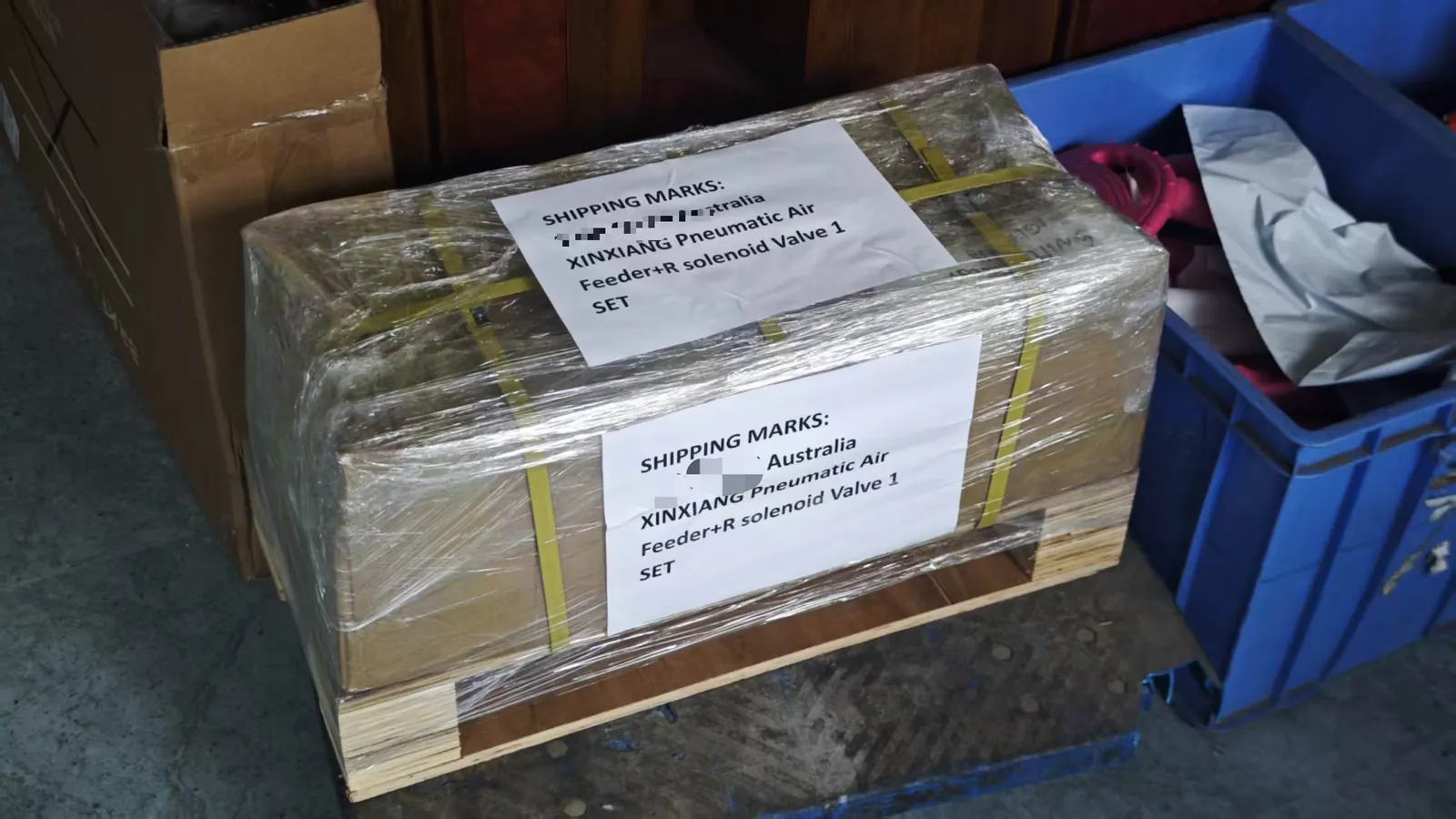
By sea
Export wooden case with shipping marks.
A wrapped carton on a wooden base board with a shipping mark label
The carton sits on a wooden base
A film-wrapped carton on a wooden base, labelled as one set of air feeder
Wrapped for air freight
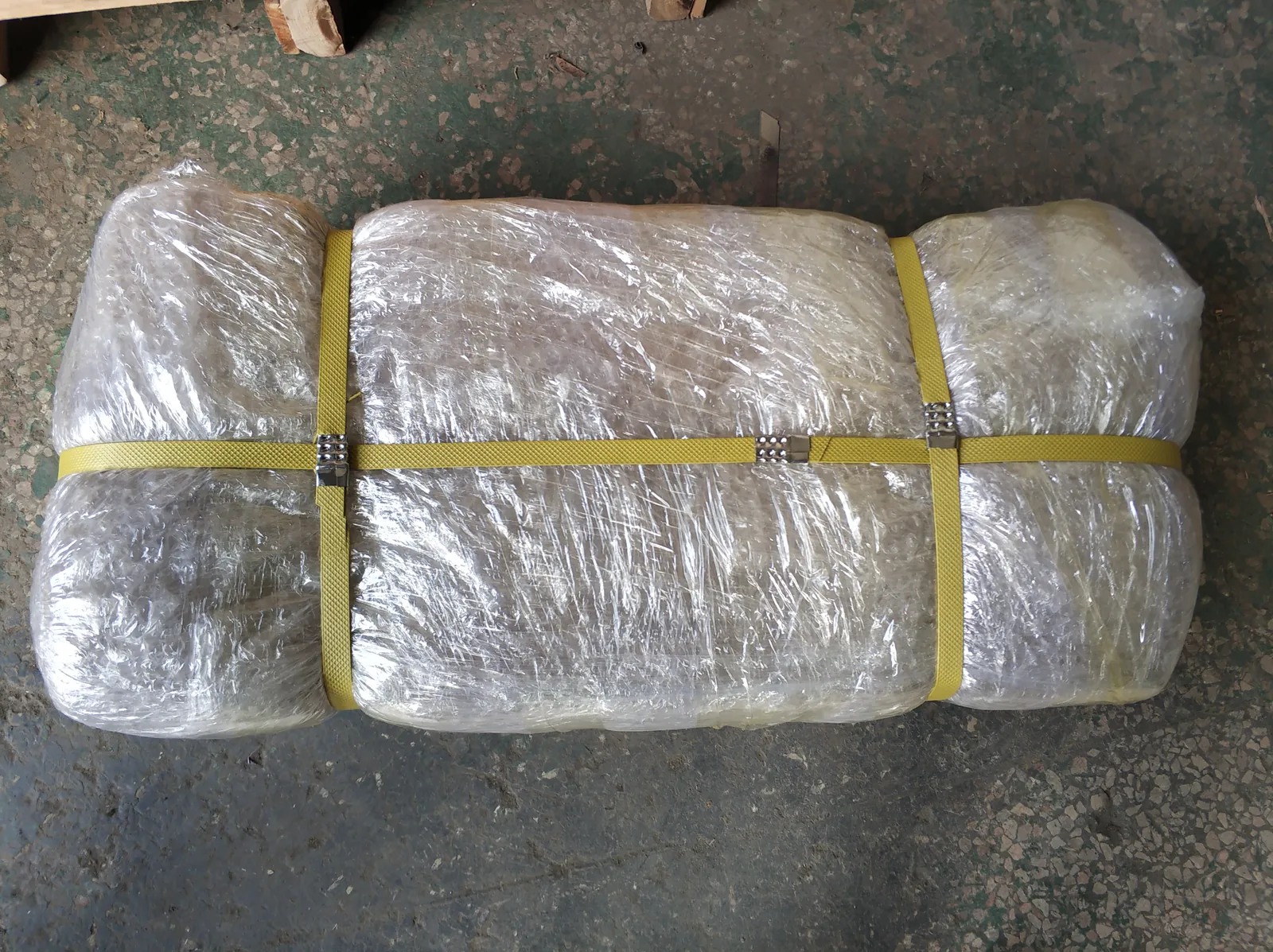
A feeder package wrapped in film and held with two straps
Film wrap and straps
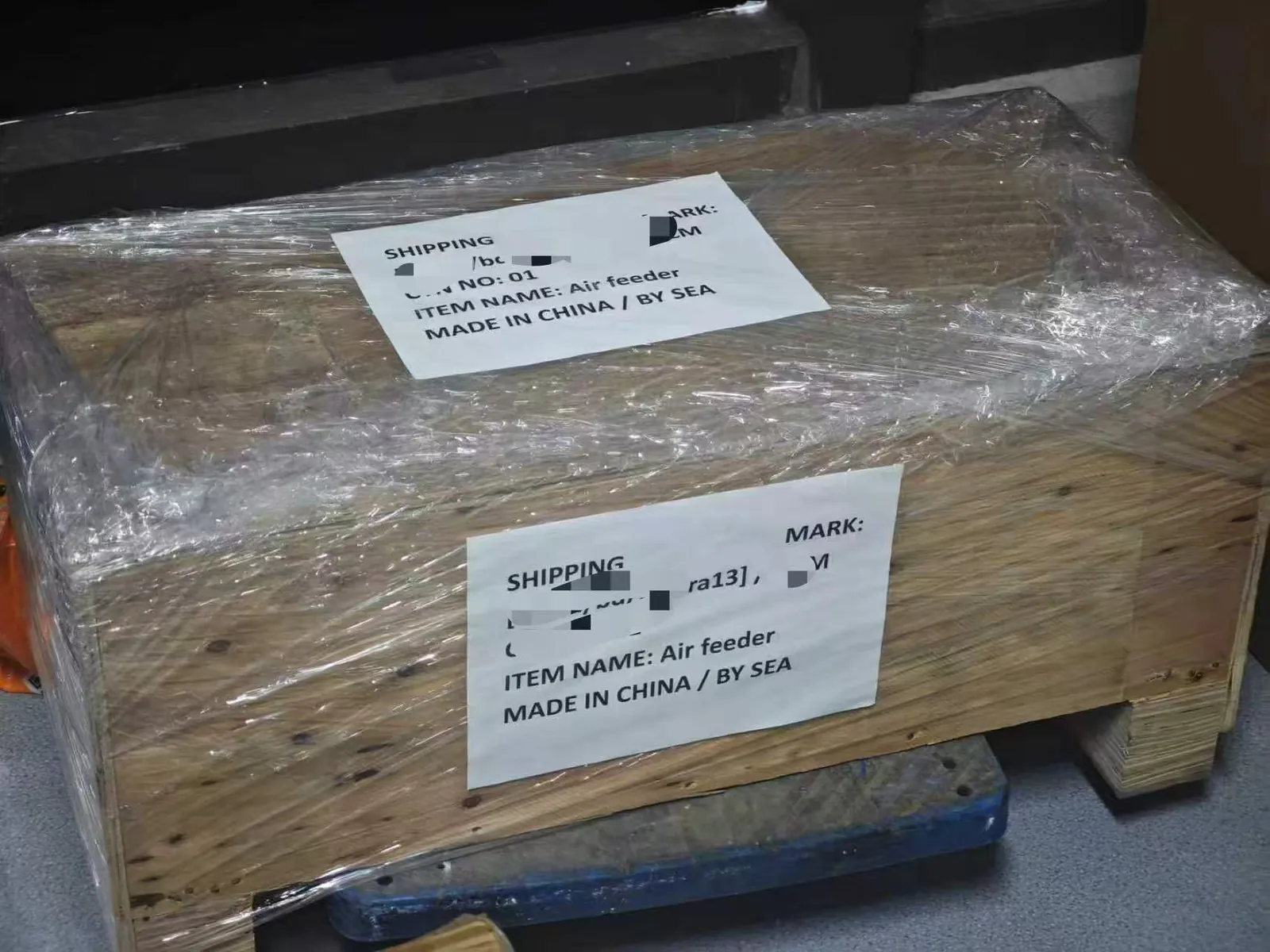
A wooden case wrapped in film with shipping mark labels that read air feeder, made in China, by sea
Wooden case, marked for sea freight
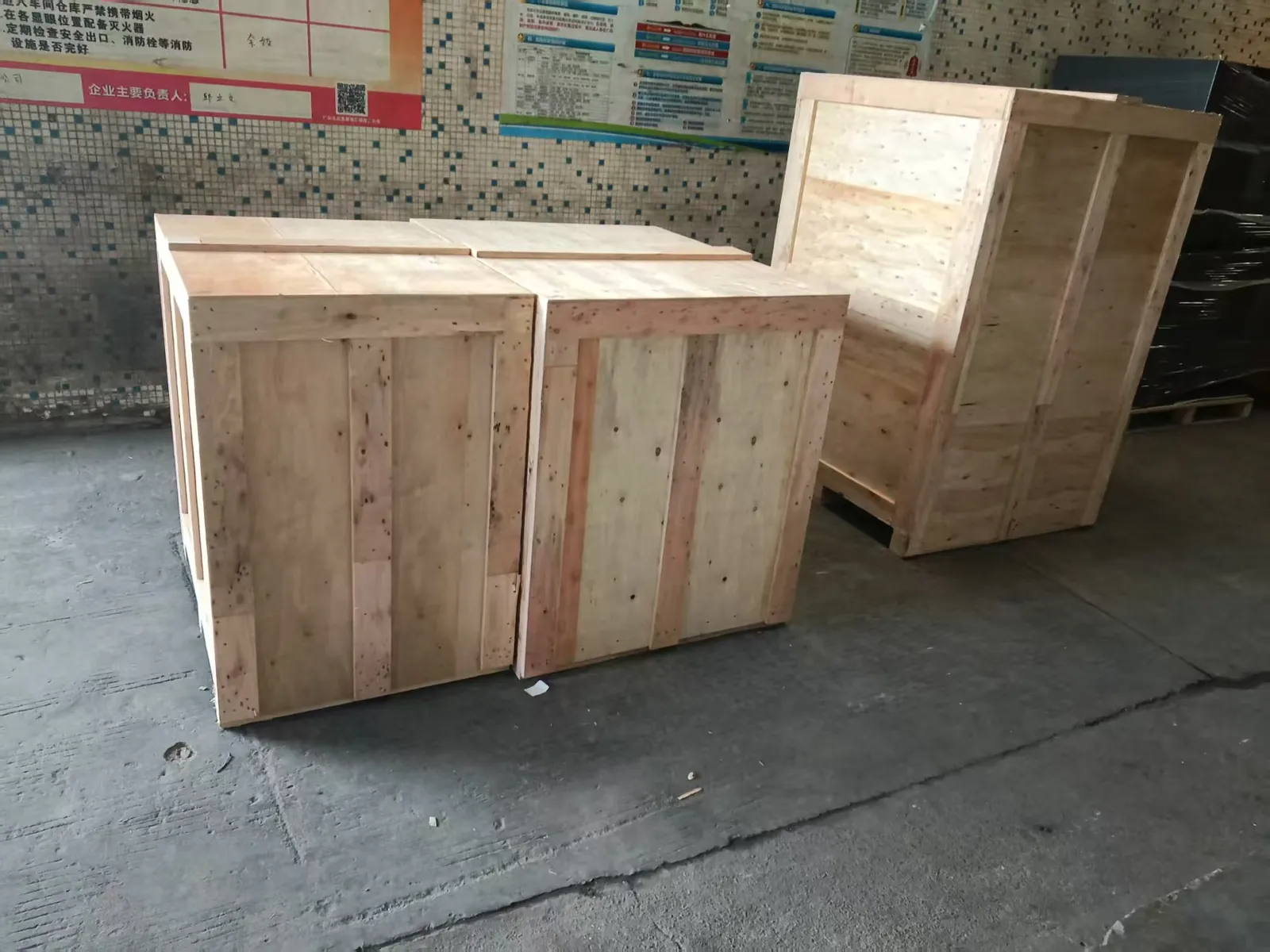
Three closed wooden export cases in the workshop
Wooden cases for the larger models

Already running an air feeder?

The troubleshooting page finds the fault by symptom and shows the part on the 3D model.

Go to troubleshooting

Questions buyers ask.

What is the difference between E and R?

E replaces the mechanical trigger rod: a 24 V DC signal from the press sets when the feeder returns and when it feeds. R is a pilot release. It opens only the fixed clamp as the pilot pins enter, keeps the trigger rod and does not change the pitch. E+R uses both valves and needs no trigger rod.

What comes with the feeder?

The feeder, a mounting bracket, the striker set for the press slide, bolts and washers, a quick coupling for the air hose and spare seal rings. E and R types add the solenoid valve with its coil and cable. You supply the compressed air and the filter, regulator and lubricator unit.

Can I fit it to an old press?

Often yes. The feeder is driven by compressed air and works independently of the press control system. Press stroke, mounting space, feeding height and the die entry line still need checking.

Push or pull?

Both. Before the die the feeder pushes, which suits general material. After the die it pulls. Thin or soft strip from 0.1 mm is pulled, not pushed.

What air supply does it need?

Rated 4.5 kg/cm² at the regulator for every model, with the compressor supplying at least 5 kg/cm². The air must be filtered and lubricated. Air use runs from 26.5 L/min on the AF-1C to 182.5 L/min on the AF-10C.

How fast can it feed?

The table gives the maximum strokes per minute at the listed capacity: 200 on the AF-1C, 30 on the AF-10C. A longer pitch needs more time, so a long pitch on a fast press needs checking with us.

Do I need the solenoid valve?

Not on the standard type: it runs on compressed air only. Add E when the press cannot trigger the feeder mechanically, and R when the die has pilot pins. AF-8C and larger have a solenoid valve as standard.

Made in our own factory.

Dongguan Xinxiang Machinery Equipment Co., Ltd. machines, assembles and tests the AF series in Dongguan, China, and sells it factory-direct.

The factory building and front gate of Dongguan Xinxiang Machinery in Dongguan
The factory in Qingxi Town, Dongguan.
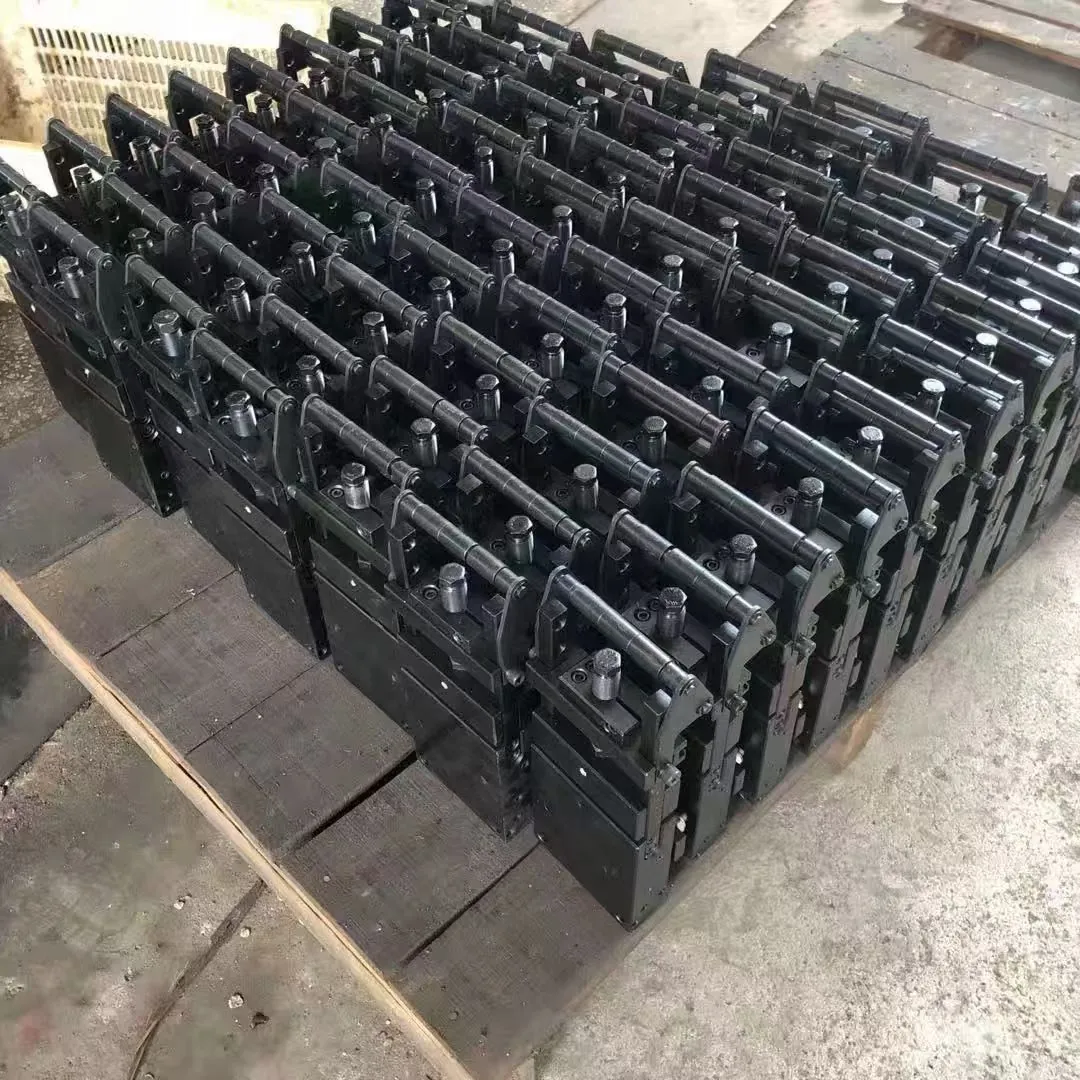
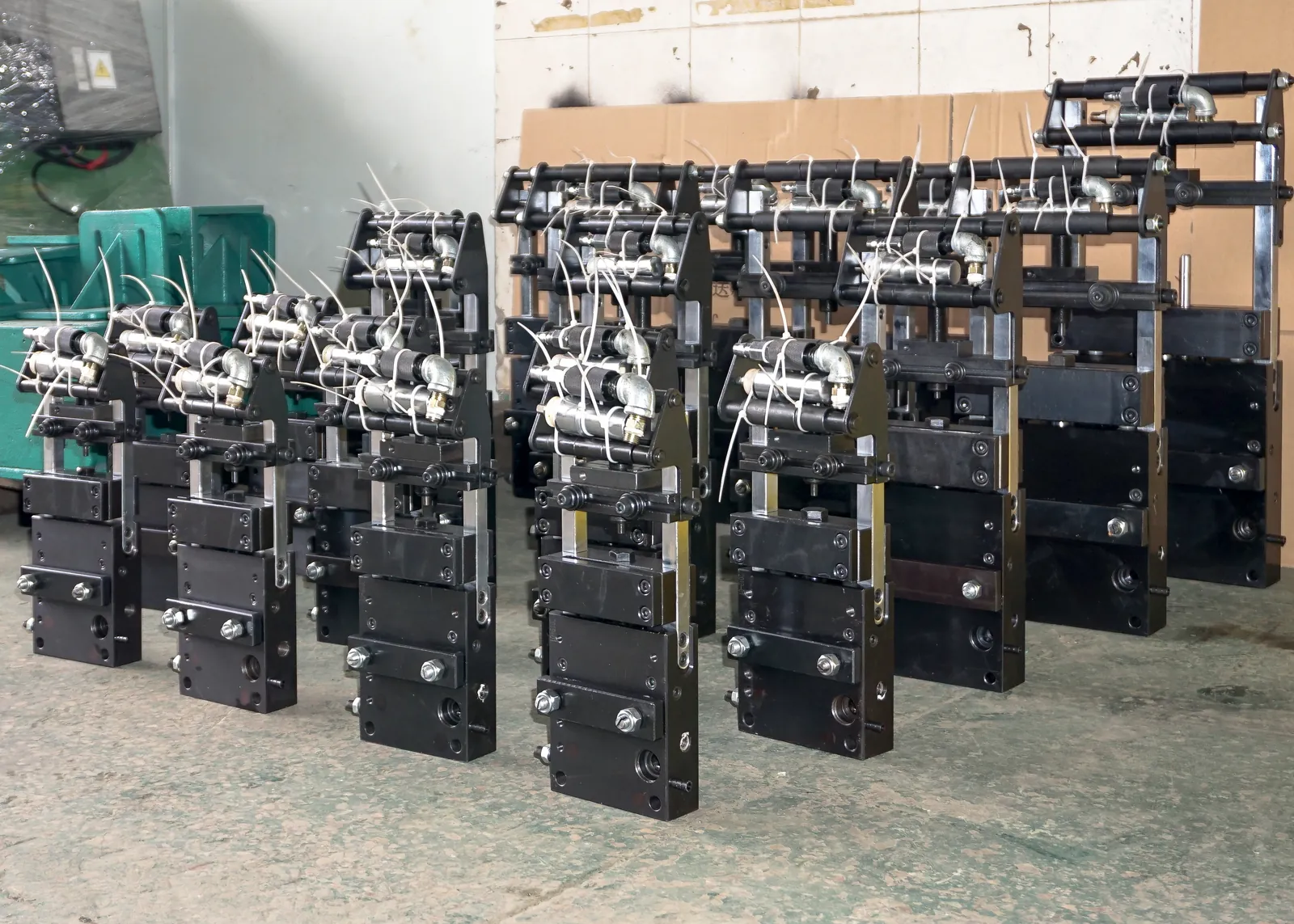
More than twenty finished air feeders standing in rows in the workshop
Standard models are kept in stock.
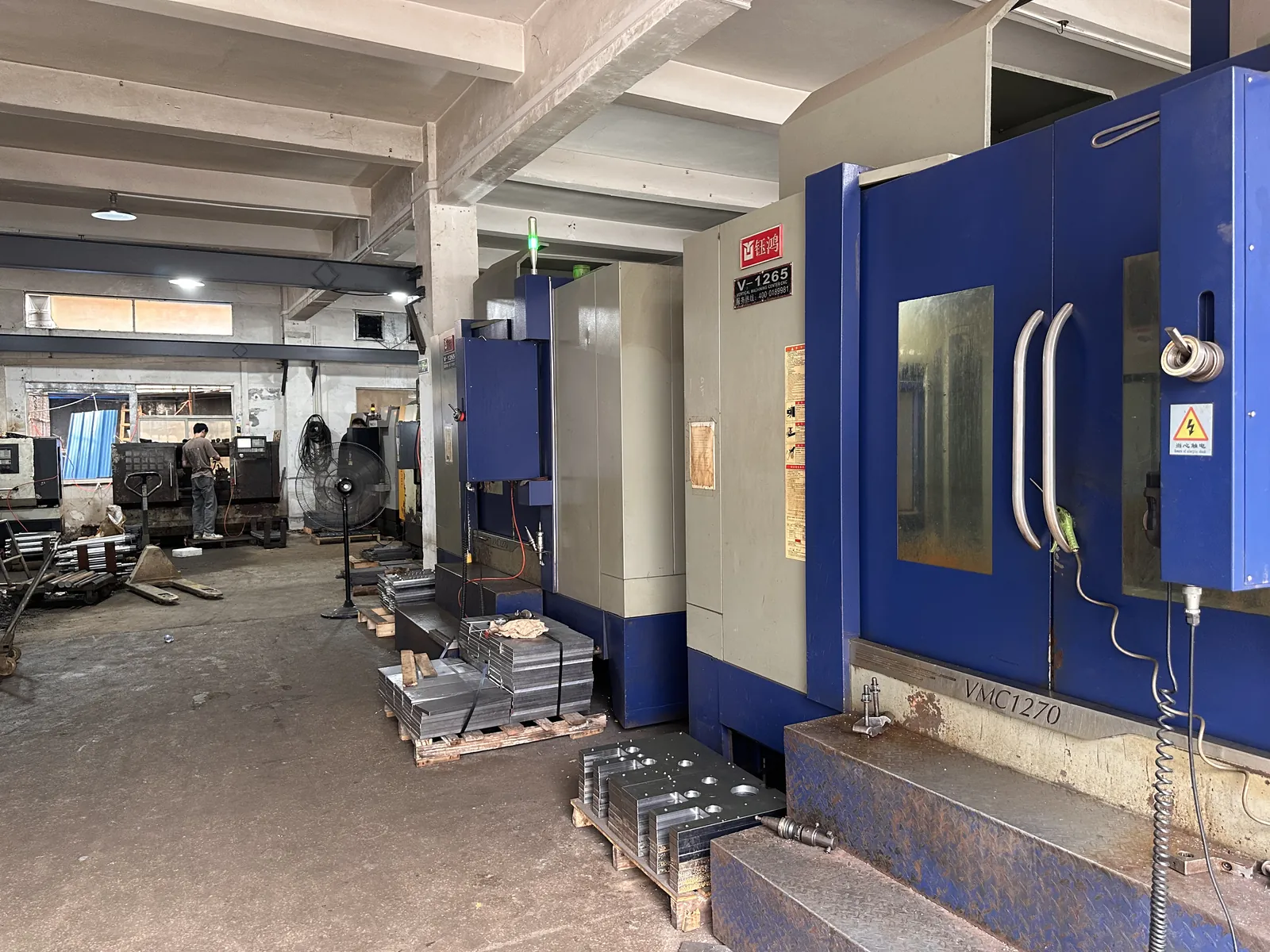
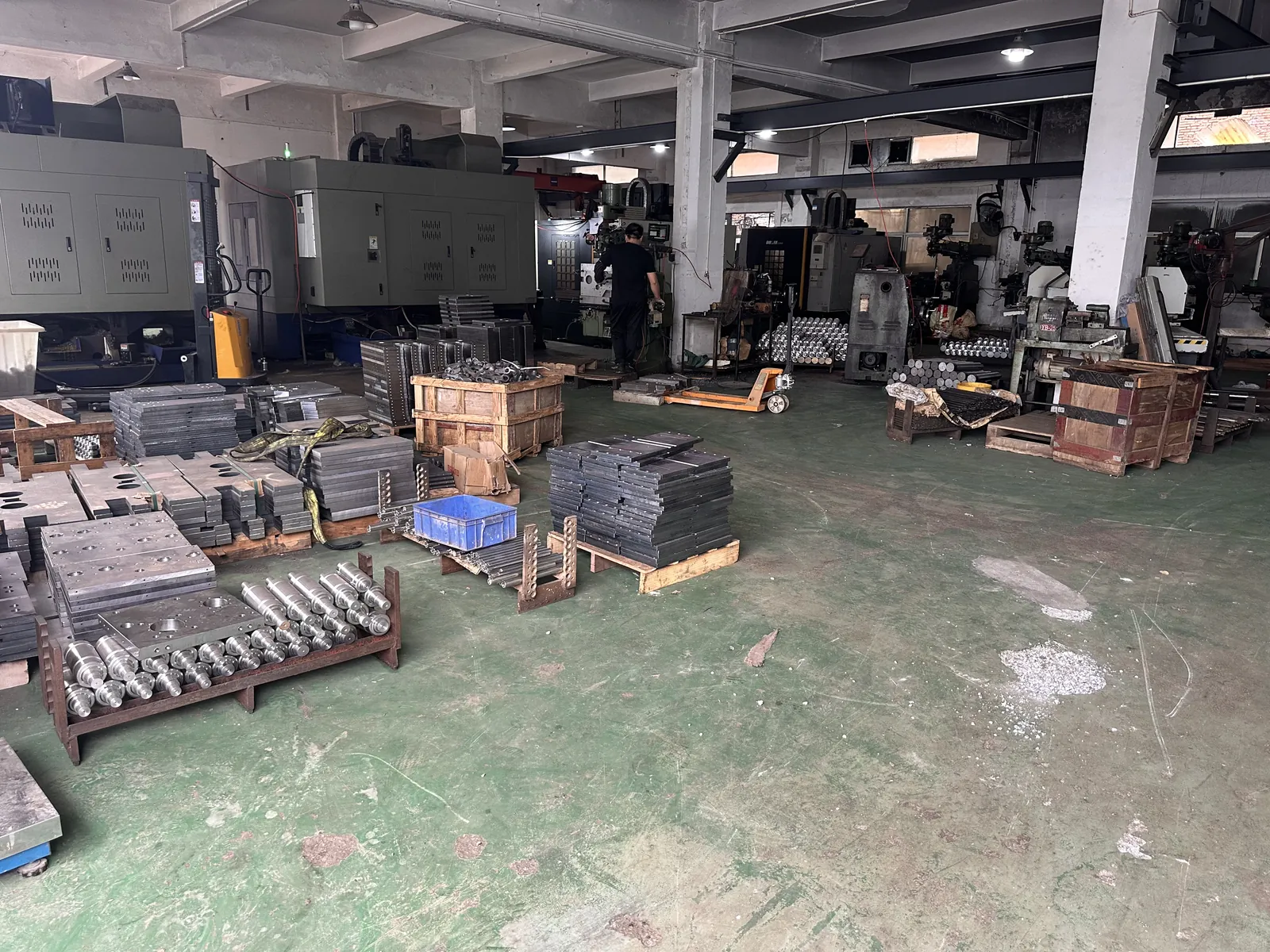
CNC machining centres in the machine shop, with machined plates stacked in front
CNC machining centres
Wide view of the machine shop with machining centres and pallets of machined parts
The machine shop
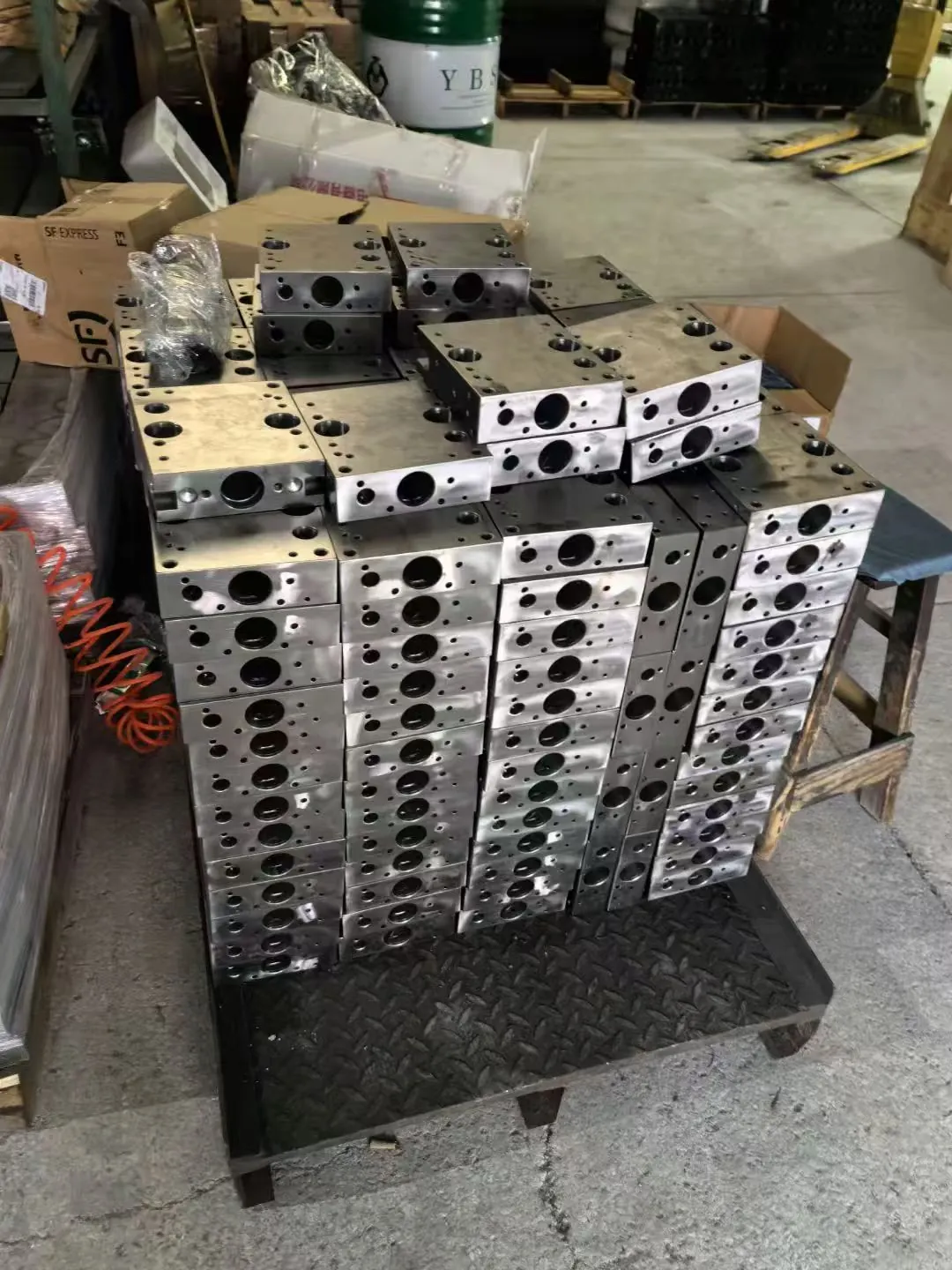
Machined steel feeder bodies stacked on a pallet
Machined feeder bodies
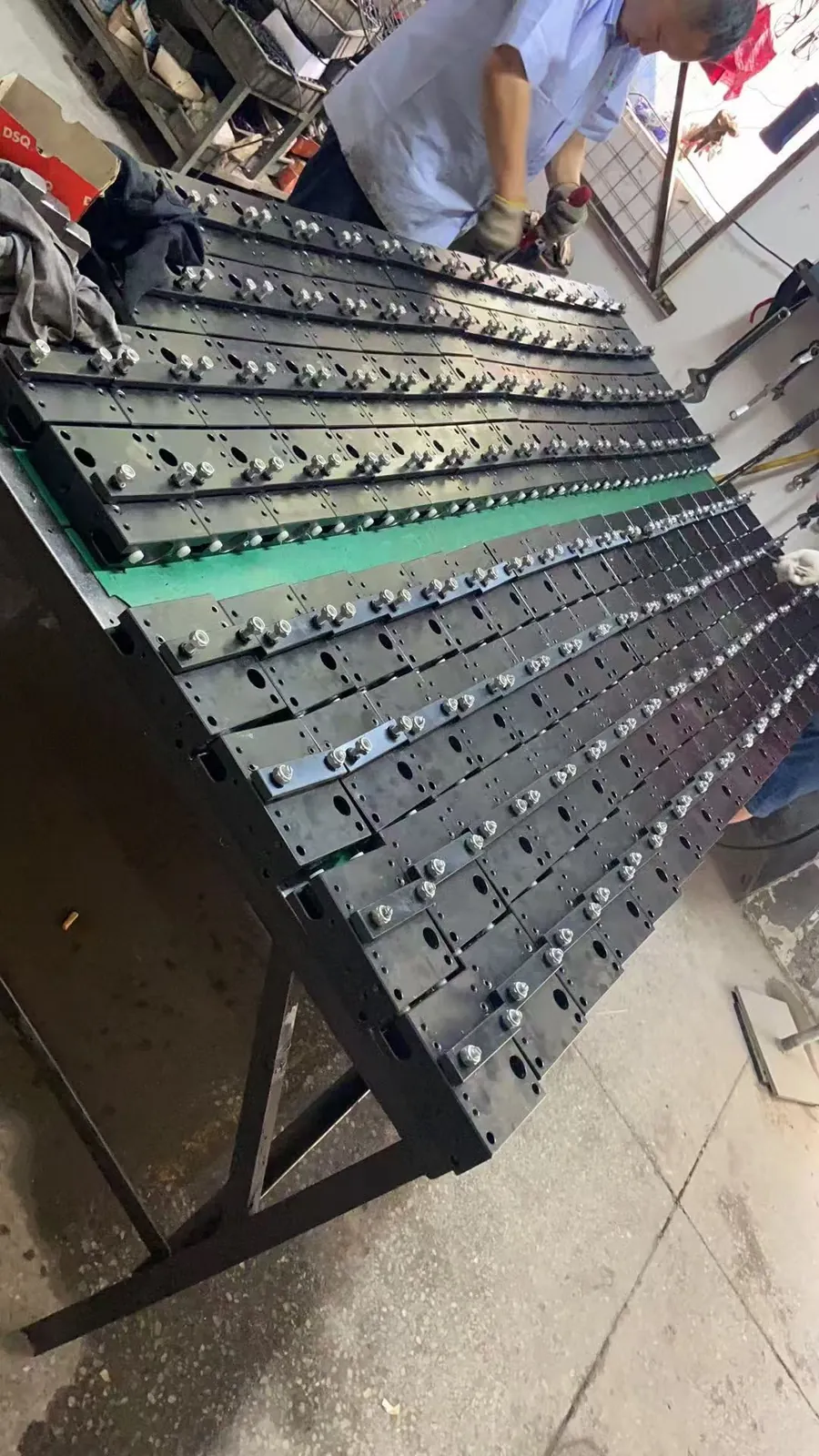
A long assembly table covered with rows of feeder bodies being assembled
Assembly, row by row
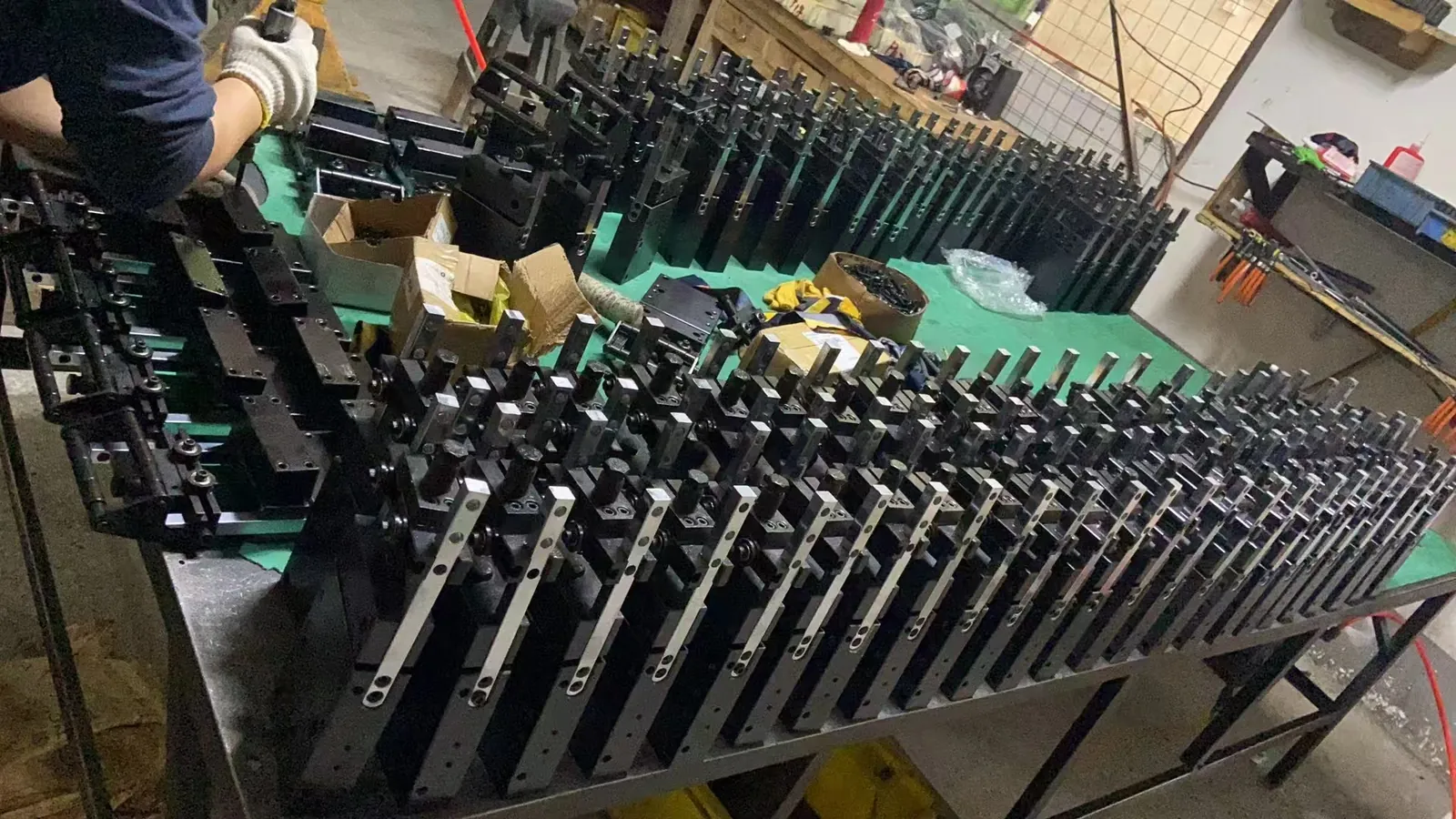
An assembly bench with rows of guide-rod sub-assemblies and a worker fitting parts
The assembly bench
Rows of finished air feeders standing on pallets
Finished feeders

Ask for a quote.

Send these eight things and we size the feeder for your press line.

Both buttons open a message with the list already written in.

  1. Material
  2. Strip width
  3. Thickness
  4. Feed length per stroke
  5. Strokes per minute
  6. Press type and tonnage
  7. Die type, and whether it has pilot pins
  8. Whether a decoiler or straightener is already there